

They say food is medicine, and in the case of fiber, nothing could be truer.
There are many benefits of fiber. It can help control cholesterol, stabilize blood sugar, assist with weight loss, and reduce the risk of cancer, cardiovascular disease, and Type 2 diabetes, as well as ease constipation.

If you haven’t heard it lately, let Katherine Gerber, RD, a certified diabetes educator with UT Physicians Multispecialty – Cinco Ranch, remind you that it’s time to eat more fiber!
“Fiber is an essential part of a well-rounded diet,” Gerber said.
What is fiber?
Fiber is a type of carbohydrate found in a variety of plant-based foods, like beans and whole grains. It’s not easily digested, making it effective at slowing the digestive system, one of its key characteristics.
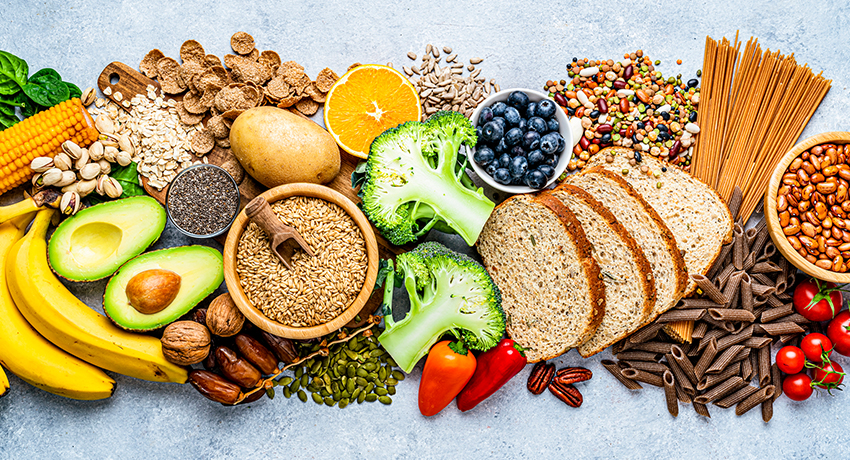
Foods high in fiber:
- Beans
- Fruits
- Lentils
- Nuts
- Seeds
- Vegetables
- Whole grains
Two types of fiber
There are two types of fiber: soluble and insoluble. Most high fiber foods contain both types.
Soluble fiber
Soluble fiber dissolves in water, forming a gel, which slows the digestion and absorption of fat, cholesterol, carbohydrates, and sugar.
“By slowing digestion and interfering with absorption, soluble fiber can help lower cholesterol levels, thereby reducing the risk of cardiovascular disease, and stabilize blood sugar, which may lower the risk of Type 2 diabetes,” Gerber said. “It helps control blood sugar for those already diagnosed with Type 2 diabetes.”
By slowing down digestion, soluble fiber also helps with weight loss by allowing the stomach to feel fuller, longer.
Insoluble fiber
Insoluble fiber doesn’t dissolve in water. Instead, this fiber helps sweep food through the digestive tract and gives bulk to stool, thereby reducing constipation.
“Constipation is a pretty common issue, and insoluble fiber can help prevent it,” Gerber explained.
Moving food through your digestive system properly is good for your colon health.
“Fiber is also linked to reducing the risk of colorectal cancer and other diseases of the colon,” Gerber said.
How much fiber does your body need?
According to the USDA’s Dietary Guidelines for Americans, men and women need different amounts of fiber depending on age.
| Women | 19-50 years old | 25 grams daily |
| Women | 51+ | 21 grams daily |
| Men | 19-50 years old | 38 grams daily |
| Men | 51+ | 30 grams daily |
Signs that you’re not getting enough daily fiber include constipation, developing hemorrhoids, feeling hungry soon after eating, or feeling tired after a meal.
“A fiber-rich meal slows digestion, helping reduce a blood sugar spike and therefore a blood sugar crash,” Gerber explained.
Ways to boost fiber intake
Eating whole fruits and vegetables, beans, lentils, nuts, and whole grains is the simplest way to boost your daily fiber intake.
“When it comes to pantry items, I suggest replacing one item at a time,” Gerber said. “It’s easiest for most people to start with bread. The next time you’re grocery shopping, try to find a product with a higher fiber count than your chosen brand.”
A good source of fiber is considered 2.5 grams or more per serving. You can also look at the right-hand side of the Nutrition Facts, under the percent daily value section. Foods that are 10% to 20% are a good source of fiber.
“Making your meals at home versus eating out will also help you control what’s on your plate, and how much fiber is in your diet,” Gerber said.
When adding fiber to your diet, do so gradually to avoid digestive issues like gas and bloating, and drink plenty of water to keep fiber moving smoothly.
Tips to increase fiber consumption:
- Add nuts or seeds to yogurt and salad
- Add beans, peas, and lentils to soup and salad
- Replace breads, cereals, and pasta with whole-grain choices
Make fiber a long-term goal
The benefits of fiber are wide ranging, from controlling cholesterol and blood sugar levels to reducing the risk of developing Type 2 diabetes, colon cancer, cardiovascular disease, and constipation. Fiber is an important part of a healthy diet.
The goal is to include fiber in your diet as a lifelong habit, not a one-time fad.
“Start with dinner and add a vegetable or two,” Gerber said. “Make this habit part of your weekly shopping list and strive for half a plate of vegetables each dinner.”
Try these recipes below to give your body a little extra fiber today.
AIR FRYER BRUSSELS SPROUTS
Ingredients:
2 cups Brussels sprouts, trimmed and halved
1 1/2 tablespoons olive oil or avocado oil
1/2 teaspoon garlic powder
Salt and pepper to taste
Directions:
- Preheat air fryer to 375 degrees.
- Toss Brussels sprouts with olive oil, garlic powder, salt, and pepper.
- Place them in the air fryer basket in a single layer.
- Air fry for 12-15 minutes, shaking the basket halfway through, until crispy and golden.
Recipe from Katherine Gerber.
THREE BEAN CHILI
Ingredients:
1 pound ground turkey
Salt and pepper to taste
1 teaspoon olive oil
1 cup onions, chopped
1 green bell pepper
1 yellow bell pepper
1 cup tomatoes, diced
1 can (16 ounces) black beans
1 can (16 ounces) red kidney beans
1 can (16 ounces) pinto beans
2 tablespoons chili powder
1/2 tablespoon cumin
1/2 tablespoon celery seed
1/4 cup tomato paste
1 cup water
Optional toppings:
Greek yogurt
Cilantro
Shredded cheese
Directions:
- In a large pot, season ground turkey with salt and pepper to taste, then cook on medium heat until browned.
- Add olive oil, onions, and bell peppers, and sauté.
- Stir in diced tomatoes, all beans, and seasonings.
- In a separate bowl, mix tomato paste and water. Add mixture to the pot and simmer for 15-20 minutes. Serve topped with Greek yogurt, cilantro, and shredded cheese.
Recipe from Monique K. Dorsey, registered dietitian, UT Physicians Family Practice – Bellaire Station