

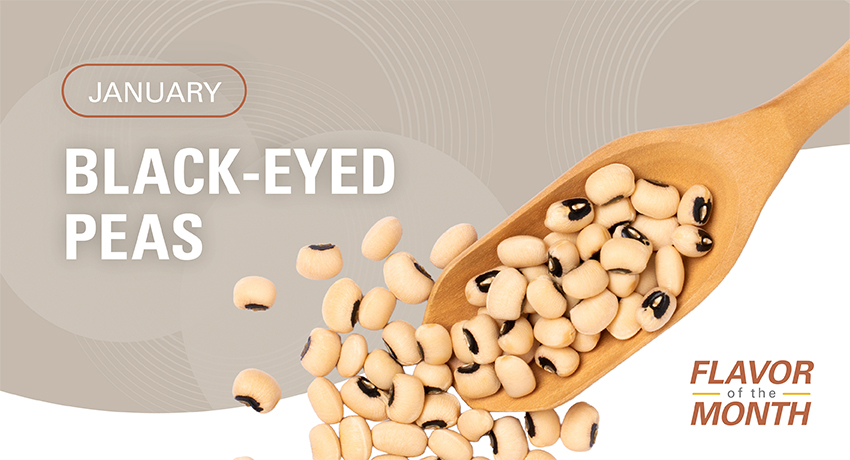
A staple in most southern kitchens across the U.S. on New Year’s Day, black-eyed peas offer more than a bowl of good fortune.

Packed with protein, fiber, and complex carbs, black-eyed peas get the seal of approval from certified diabetes care and education specialist Tish J. Wright, RD,with UT Physicians Multispecialty – Bayshore.
“The health benefits of black-eyed peas make them worthy of year-round dining,” Wright said.
Small bean, big benefits
Contrary to their name, black-eyed peas are actually a type of bean. In Texas, they’re harvested from May to October, which lends to their availability outside the New Year celebration.
Fiber
One cup of cooked black-eyed peas provides approximately 8 grams of fiber, which is nearly one-third of the recommended daily value. The benefits of fiber are wide ranging, from controlling cholesterol and blood sugar levels to reducing the risk of cancer, cardiovascular disease, and Type 2 diabetes. Check out the health benefits of black-eyed peas.
“When it comes to fiber, think of bowel movements. Fiber helps to keep your digestive system moving,” Wright said. “Make sure you drink plenty of water when you’re eating fiber.”
Folate
One of the B vitamins, folate, plays a vital role in the body, contributing to the creation of new cells, DNA, and red blood cells. One cup of black-eyed peas contains 52% of the recommended daily value of folate.
“Folate is especially important during pregnancy and for wound recovery,” Wright said.
Protein
The high protein content is what truly sets this bean apart. Packing 13 grams of protein per cup, black-eyed peas have a similar protein value to animal meat without the fat.
“Black-eyed peas are a great choice to replace animal meat,” Wright said.
Vitamin A
The vitamin that helps protect vision, Vitamin A, is an essential vitamin, playing a critical role in immune function, cell growth, and healthy skin. One cup of black-eyed peas provides about 44% of the recommended daily value.
Complex carbohydrate
As a complex carb, black-eyed peas are a great source of energy without cholesterol or fat.
“Complex carbohydrates take longer to break down into energy, which keeps you fuller for longer and avoids a sugar rush and crash,” Wright explained.
Make black-eyed peas a year-round staple
High in fiber and protein with zero fat, black-eyed peas are worth celebrating beyond the New Year.
Enjoy a bowl of black-eyed peas with these flavorful recipes below.
Spicy black-eyed pea dip
Ingredients:
1/2 bell pepper, finely chopped
2 celery stalks, finely chopped
1 onion, finely chopped
1 clove garlic, pressed
2 (15-ounce) cans black-eyed peas, rinsed and drained
1 (15-ounce) can diced tomatoes
1/2 cup ketchup
1 1/2 teaspoon hot pepper sauce
1 teaspoon black pepper
1 teaspoon salt
1/4 teaspoon nutmeg
1/2 teaspoon cinnamon
Directions:
- Combine chopped vegetables in a large mixing bowl.
- Add black-eyed peas and diced tomatoes.
- Mix in ketchup, hot pepper sauce, and seasonings to taste.
Black-eyed pea salad
Ingredients:
1 cucumber, peeled and chopped
1 red onion, chopped
2 tomatoes, chopped
1 clove garlic, pressed
1 (15-ounce) can black-eyed peas, rinsed and drained
1/4 cup cilantro, chopped
1 teaspoon salt
1/2 teaspoon pepper
2 tablespoons lemon juice
Directions:
- Combine cucumber, red onion, tomatoes, and garlic with black-eyed peas.
- Mix well, and add cilantro, salt, and pepper.
- Add lemon juice 30 minutes before serving.