


The likelihood of living to 100 is higher today than at any other time in human history. While reaching that centenarian milestone begins with genetics, healthy habits play an important role.
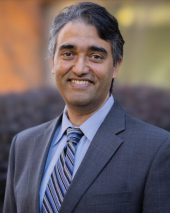
Aanand D. Naik, MD, a geriatric medicine specialist at UT Physicians Center for Healthy Aging – Bellaire Station, says it’s better to focus on health span rather than lifespan.
“It’s not just that you want to live to a certain age,” said Naik, the Nancy P. and Vincent F. Guinee, MD, Distinguished Chair in gerontology and executive director of the UTHealth Houston Institute on Aging. “You want those years at the later part of your life to be as happy, vibrant, and independent as possible.”
We can’t choose how long we live, but we can make choices to ensure the years we have are as healthy as possible. Here are five healthy habits for aging well.
1. Live with purpose
Purpose is what gets you up in the morning every morning. Identify a purpose in your life and invest in meaningful social connections that support it.
“This is something we see in our patients who are 90-plus. They have all figured this out. They have a positive sense of purpose,” Naik said. “It can be as simple as going out to walk the dog or tend to a garden each day.”
2. Stay active as you age
Make exercise a daily habit. Building and maintaining muscle mass will go a long way to keep you active as your body ages.
“If you’re not able to exercise every day, don’t get discouraged,” Naik said. “The main point is to try to make movement and activity part of your daily life.”
Develop a weekly exercise goal. Try to block 30 minutes, most days of the week, with the following mix of activities:
- Balance and stretching work, 4-6 days a week, before starting other activities
- Brisk walk for 30 minutes, 4-5 days a week
- Cardio that induces sweat, 1-2 days a week
- Resistance exercises with free weights, machines, or bands, 1-2 days a week
3. Food for your brain
Just as exercise enhances your muscle health, the right foods can enhance your brain health. Naik recommends following the MIND diet. A combination of the Mediterranean diet and the blood pressure-lowering DASH (Dietary Approach to Systolic Hypertension) diet, the MIND diet stands for Mediterranean-DASH Intervention for Neurodegenerative Delay. This diet focuses on foods that support brain health and reduce the risk of dementia.
Key components of the MIND diet are fiber, healthy fats, lean animal protein, plant-based protein, and colorful produce.
Here are five ways to incorporate the MIND diet into your kitchen menu:
- Beans, peas, and lentils
- Fatty fish like salmon and tuna
- Leafy greens and vegetables
- Nuts
- Olive oil and avocados
- Whole grains
Portion control is another important part of healthy eating. Don’t go back for seconds, advises Naik. Reduce consumption of sugar, processed foods, and fast food.
“When grocery shopping, stick to the perimeter of the store where the fresh, whole foods are stocked,” Naik said.
4. Prevent chronic disease
Heart disease, cancer, stroke, and dementia can severely impact health span. Monitor blood pressure, blood sugar, and cholesterol regularly to gain insights into your health.
“If you have a chronic disease, work with a doctor to keep it from progressing,” Naik said.
Beyond healthy eating and exercise, there are other ways to prevent chronic disease, such as following recommended cancer screenings and staying up to date on vaccinations. As the body ages, the immune system wanes. Yearly vaccines against flu and COVID-19, and if eligible, shingles and pneumonia, are important.
5. Healthy sleep habits and stress management for older adults
Prioritize your sleep and manage your stress. The average adult should sleep for seven hours each night. Sleep is a powerful tool for healing, managing stress, and even reducing insulin resistance.
“Sleep is very underappreciated,” Naik said. “The best way to build a healthy sleep routine is to set a time you will wake up every day and be consistent with that. The rest often flows from that habit.”
Stay mindful of your stress levels and find ways to calm your mind and ease anxiety. Pick up a new hobby, join a group activity, spend time outdoors, and, most of all, put the phone down. Scrolling through social media rarely brings calm.
Healthy aging
Genetics will play a large role in how each individual ages, but simple, smart choices can boost your health and well-being as time marches on.
“You can’t eliminate all risks, but these principles are about living as best as you can to stay healthy as you age,” Naik said. “I have so many vibrant 80- and 90-year-old patients. It’s not just that our lifespans have increased, but our health spans have increased.”
Growing older is worth celebrating. Healthy aging is possible with these healthy lifestyle habits for adults.
Common habits of centenarians
Nearly two-dozen centenarians rely on and trust the UT Physicians Center for Healthy Aging – Bellaire Station for their care. Check out what these patients have in common, from their habits and mindsets to everyday choices that support healthy aging, in this podcast episode of Real Talk in Medicine: UT Physicians with Maureen S. Beck, DNP, a geriatric medicine specialist.