


What’s good for your heart is also good for your brain. That’s one of the key messages in the World Health Organization’s (WHO) updated dementia prevention guidance, which places greater emphasis on cardiovascular health, hearing loss, and social connection.
The 168-page publication, released in July 2026, focuses on updated, evidence-based recommendations for healthcare providers to reduce the risk of cognitive decline and dementia. It addresses 20 modifiable risk factors that may help prevent or delay up to 45% of dementia cases, up from 12 in 2019.

Tianxu Xia, MD, a neuropsychiatrist and behavioral neurologist at UTHealth Houston Neurosciences Neurology – Texas Medical Center, said it’s not surprising the new guidelines added many neurovascular-related items.
“In the last 10 years, more research has focused on neurovascular risk factors—high blood pressure, diabetes, and cholesterol level—and what those can do to our brain,” said Xia, assistant professor of neurology at McGovern Medical School at UTHealth Houston. “The whole research landscape for Alzheimer’s disease is changing.”
Understanding the heart-brain connection
Everyone experiences some vascular aging, but uncontrolled blood pressure, diabetes, and cholesterol add more damage to the brain. That damage can cause cognitive decline by itself, known as vascular dementia. Even when Alzheimer’s disease is present, Xia said controlling these risk factors may help prevent additional vascular damage that could worsen symptoms.
Xia said in the beginning, researchers knew of amyloid plaque and tau, but now more researchers are looking into vascular damage that can harm the blood-brain barrier and increase inflammation. Xia said many patients have a combination of Alzheimer’s disease and vascular damage rather than Alzheimer’s disease alone. Vascular dementia, which can result from strokes and other vascular injuries to the brain, is also common.
“It makes sense for WHO to publish something to emphasize the importance of managing your blood pressure, cholesterol, and diabetes,” he said. “In real-life clinical settings, we have always emphasized these, which we call healthy lifestyle modifications.”
The updated guidance also places new emphasis on reducing exposure to air pollution, addressing hearing loss, managing weight and cholesterol in midlife, and participating in cognitively stimulating activities. It also formally recommends social activity interventions for adults with normal or mild cognitive impairment.
WHO cautions against relying on vitamin supplements or menopausal hormone therapy as a strategy for dementia prevention. It believes current evidence doesn’t show a clear benefit for those without a diagnosed deficiency.
Keeping your brain active and socially connected
Just as physical activity helps maintain muscle strength, mental activity may help support brain health as we age. According to Xia, activities that challenge the brain can help build cognitive reserve, or the brain’s ability to adapt and compensate for age-related changes. Puzzles, card games, strategy games, and mentally challenging hobbies may help people maintain cognitive function longer. Brain-training apps and learning new skills or hobbies can also help keep the mind engaged.
Social engagement can be equally important, providing opportunities for mental stimulation while fostering a sense of connection and purpose. Xia shared the story of a patient with mild cognitive impairment who was becoming increasingly isolated and withdrawn while living alone. After moving into an assisted living community, she took advantage of regular activities and opportunities to socialize. When Xia saw her three months later, her outlook changed dramatically, and he described her as a totally different person.
“She was brighter, more engaged, and literally living her life again,” Xia said. “Social connection and human contact make a huge difference.”
Role of hearing health in dementia prevention
Studies attribute up to 8% of dementia cases to hearing loss. What’s the link? The brain works harder to translate muffled sounds. Difficulty hearing can also contribute to social isolation as people begin to withdraw from conversation and activities.
Research from the 2024 Lancet Commission report highlights untreated hearing loss as the single largest modifiable risk factor for dementia, causing a faster rate of cognitive decline. The new WHO guidelines now support this strong connection. Using hearing aids can help lower this risk, if needed.
“I think it’s great they added this, because a lot of times people don’t pay attention to hearing loss and think it’s part of the normal aging process,” Xia said. “Our brain requires constant stimulation. If you have hearing loss, and you’re not stimulating that part of the brain, it’s going to degenerate.”
What researchers are learning about early detection
Xia said Alzheimer’s disease is easier to diagnose than ever before, making early detection increasingly important. While current treatments can’t cure the disease, identifying Alzheimer’s earlier may allow people to benefit from available therapies and future advances that could further delay cognitive decline.
“It’s not a cure, but you’re giving people hope,” Xia said. “If we are able to slow the progression by 30%, four or five years down the road, there might be another new treatment coming up.”
Because Alzheimer’s disease often develops slowly over many years, even delaying the onset of symptoms could make a meaningful difference. Xia envisions a future care model similar to today’s approach to colon cancer screening. Rather than waiting until symptoms develop, people with a family history of Alzheimer’s disease could be screened earlier using biomarkers or imaging tests.
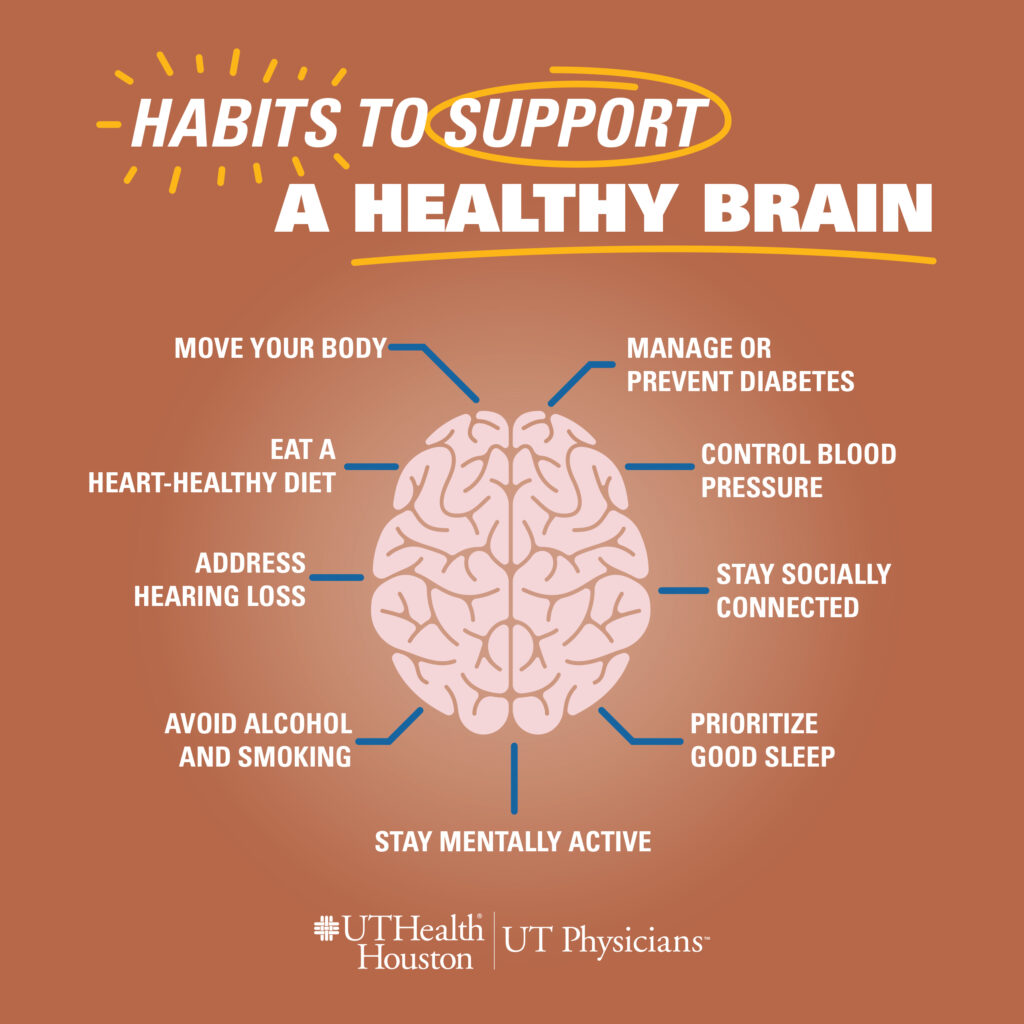
Practical next steps
The WHO’s recommendations may seem like a long list, but Xia encourages people to focus on one simple first step: Schedule regular preventive care and understand your key health numbers. Xia recommends talking with a primary care provider to ensure blood pressure, cholesterol, and blood sugar levels are well controlled.
Physical activity is also critically important. Research in 2025 revealed higher activity in midlife and later years links to a 41% to 45% lower risk of dementia. Regular exercise contributes to better cognition and risk reduction, likely because it improves blood flow to the brain, fights inflammation, and supports cardiovascular and metabolic health. Even simple activities such as walking, gardening, or dancing can help people stay active and support long-term brain health.
The window for intervention is earlier than many people realize. The Alzheimer’s Association describes brain health as a lifelong priority. Researchers now know that brain health is shaped by a combination of genetics, lifestyle, and environmental factors. Small steps today may contribute to a healthier brain tomorrow.