

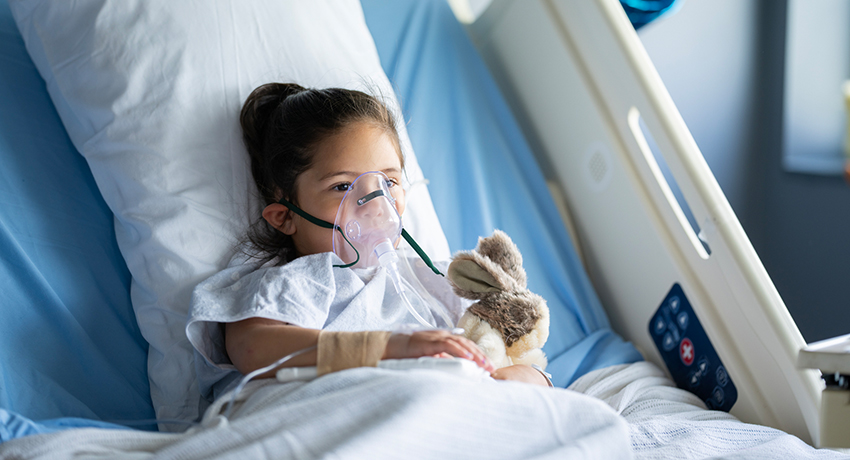
Respiratory syncytial virus (RSV) is a common respiratory infection in the lungs. RSV is the leading cause of pneumonia and respiratory infection in children less than 5 years old.

Commonly spread through respiratory droplets by coughing or sneezing, RSV is a seasonal virus that typically lasts from September through March, with the winter months seeing the highest infection rates.
“It’s a difficult illness because RSV can be dangerous for infants and some young children,” said Rupa Mahadevan, MD, a pediatrician with UT Physicians Pediatric Primary Care – Texas Medical Center. Read below to learn RSV facts.
What is RSV?
RSV is a respiratory virus that causes inflammation of the lungs, narrows the airway, and leads to mucus buildup. In severe cases, it can progress to pneumonia or bronchiolitis. Severe symptoms can lead to hospitalization.
RSV symptoms
RSV symptoms appear about three to five days after exposure to the virus.
“Children often develop a really harsh, wet-sounding cough that’s easy to recognize because nothing else sounds like it,” said Mahadevan, an assistant professor in the Department of Pediatrics at McGovern Medical School at UTHealth Houston.
Symptoms of mild RSV include:
- Cough
- Runny nose
- Fever
Symptoms of severe RSV include:
- Severe cough and congestion
- Decreased eating and drinking
- Mucus buildup
- Difficulty breathing with decreased oxygen levels
Risk factors
RSV primarily affects children under the age of 5. Infants younger than 6 months old are most at risk for contracting RSV and developing severe symptoms. Babies born prematurely or who have a weakened immune system face an even higher risk of severe illness.
Adults 65 and older or with a compromised immune system are also at risk for severe symptoms.
RSV complications
A severe cough, narrowed airways, and mucus buildup are compounding factors that can reduce the amount of oxygen the body takes in. The primary reason for RSV hospitalization is the need for oxygen support.
RSV is estimated to cause 80,000 hospitalizations in the U.S. each year, with 200-300 deaths per year in children less than 5 years old.
In severe cases, children may become very tired, struggle to eat or drink, and may have coughing spells that make it hard for them to catch their breath.
RSV treatment
Recovering from RSV takes time and supportive care.
“There is no quick fix, no antibiotic, or antiviral we can give them once they’ve contracted the virus,” Mahadevan said. “It’s just good supportive care.”
Supportive care includes:
- Monitoring hydration
- Reinforcing rest
- Chest physiotherapy to keep the mucus moving by patting on the child’s back
- Saline, suction, and steam: use a saline spray in each nostril, gently suction mucus from the nose, and give them time in a steam bath
“When babies are coughing severely, our goal is to help them clear the mucous,” Mahadevan said. “Supportive care measures can provide relief and aid in their recovery.”
The average recovery time from an RSV infection takes about one to two weeks.
RSV vaccine
Several RSV vaccines are available that offer protection against severe RSV.
The vaccine is available for:
- Adults 75 and older
- Adults 50 and older who are at an increased risk of severe RSV
The RSV antibody is available for:
- Infants younger than 8 months old
- High-risk infants younger than 2 years old
Pregnant women should get a single dose of the maternal RSV vaccine during weeks 32-36 of pregnancy sometime between September to January. Babies don’t need the RSV antibody vaccine if their mother received the RSV vaccine during pregnancy.
“This is a highly effective vaccine, especially for babies entering their first RSV season,” Mahadevan said. “The RSV vaccine is helpful in reducing the severity of the disease and therefore the need for hospitalization.”