
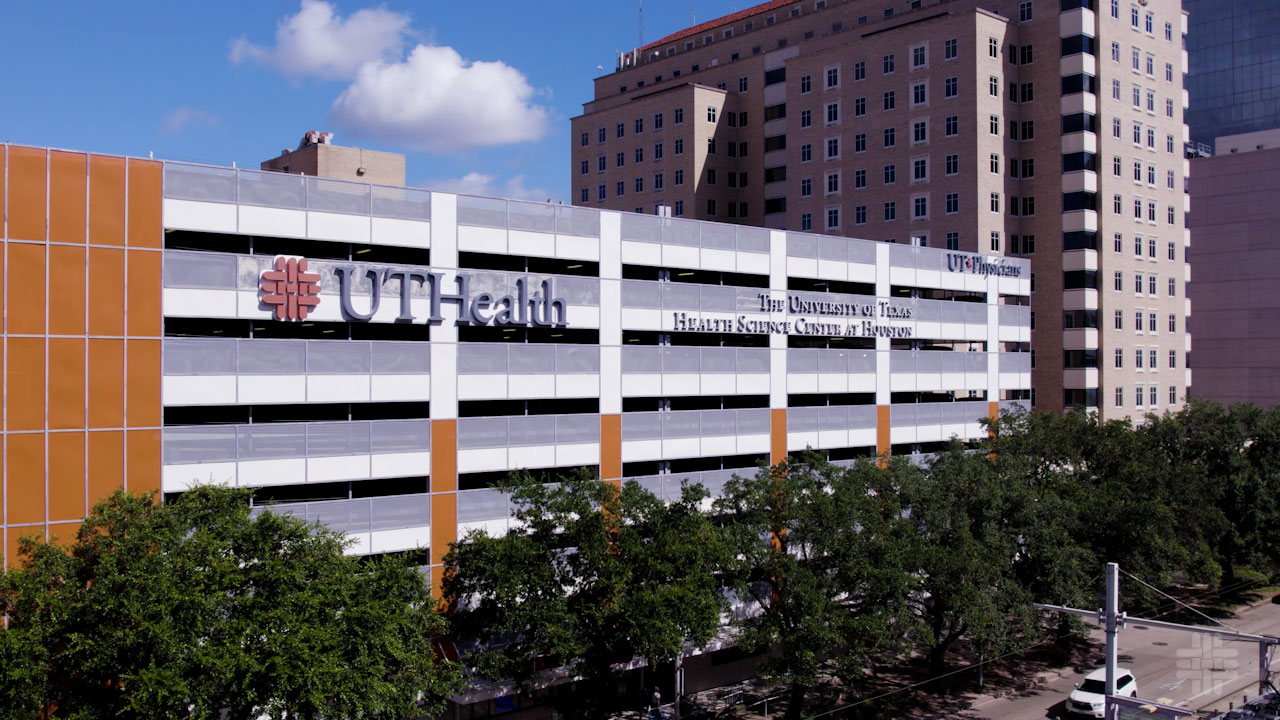
Interventional Radiology
Interventional Radiology
Interventional radiology is a specialized field that combines medical imaging and minimally invasive procedures to diagnose or treat a wide range of health conditions.
At UT Physicians, our interventional radiologists use scanning techniques, such as fluoroscopy (real-time moving X-ray video), CT scans, MRI, and ultrasound, to precisely guide small devices — such as wires and catheters — inside the body to treat various diseases. These image-guided procedures are safer, less painful, and require shorter recovery times than traditional surgery and reduce the need for hospitalization.
Care is provided in our outpatient clinics, as well as our affiliated hospitals — Harris Health Lyndon B. Johnson Hospital and Memorial Hermann — ensuring you have access to advanced interventional radiology treatments wherever you are in your health care journey.
Conditions treated and procedures performed
The UT Physicians interventional radiology team treats various diseases in different parts of the body and works in close collaboration with specialists in oncology, transplant, vascular medicine, and many other specialties.
We treat common and highly complex conditions in blood vessels (vasculature) and the body, and many of our procedures can be performed on an outpatient basis. The information below highlights the scope of health issues we address and the image-guided treatments we offer to help patients recover with minimal disruption to their lives.
Specialty Care Services
Meet the Team
Section Chief
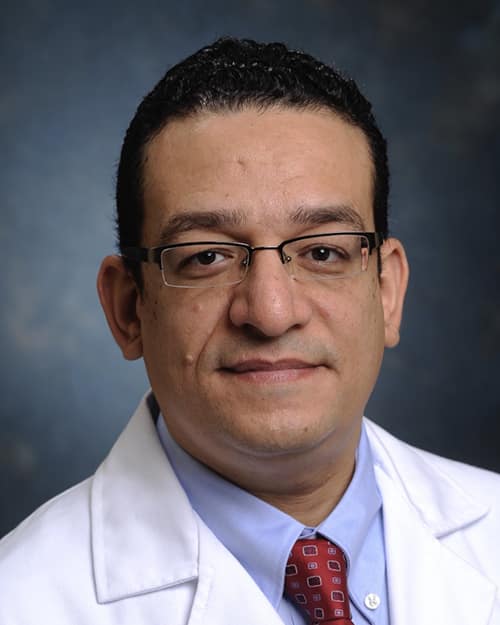
Faculty
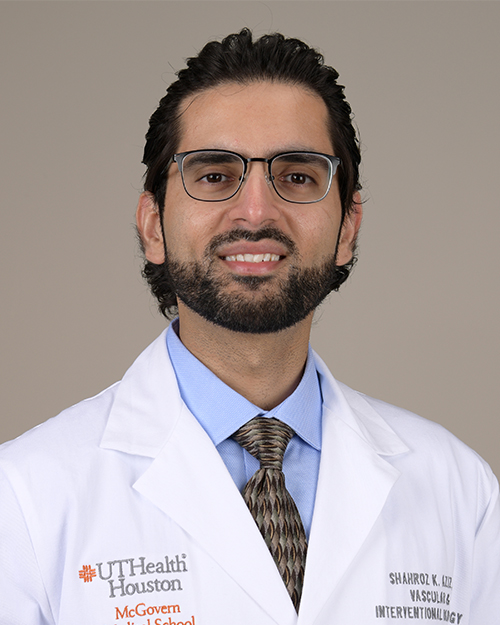







Advance Practice Providers



Locations

Houston, TX 77030-5306
Mon - Fri 8 a.m. - 5 p.m.
Related Articles
September 17, 2025
Written By: Vicki Powers, UT Physicians | Updated: September 17, 2025