
Turner Syndrome Adult Comprehensive
Care Center
Center Location & Hours
Turner Syndrome Community Day
Turner Syndrome Community Day is an annual outreach and engagement event hosted by the UTHealth Houston Turner Syndrome Adult Comprehensive Care Center (TSACCC) in collaboration with the Turner Syndrome Society of the United States. The event brings together individuals with Turner syndrome, families, caregivers, clinicians, and researchers for a day focused on education, connection, and community.
Designed to be family-friendly and inclusive, Community Day offers opportunities to meet the multidisciplinary Turner syndrome care team, learn about comprehensive clinical services, and explore ongoing research initiatives aimed at improving lifelong health outcomes. Attendees can participate in interactive activities, enjoy food and entertainment, and celebrate advocacy and community support.
Turner Syndrome Community Day reflects UTHealth Houston’s commitment to compassionate, coordinated care and to partnering with patients and families beyond the clinic. New families and returning community members are always welcome.

The next TS Community Day will be held on April 12, 2026. Stay tuned for more details.
Multidisciplinary Care
The UT Physicians Turner Syndrome Adult Comprehensive Care Center (TSACCC) brings together a multidisciplinary team of specialists to give you coordinated and complete care. The TSACCC is more than just a medical home for adult women with TS. We’ll get to know you so that we can develop personalized care that meets your individual needs. Please click on our specialty tabs below to learn more about our team.
Cardiology & Cardiothoracic Surgery - Heart screening and care
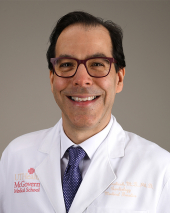
Siddharth K. Prakash, MD, PhD
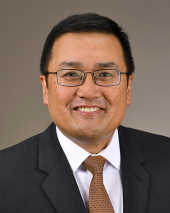
Anthony L. Estrera, MD

Sheila M. Coogan, MD
Heart and Blood Vessel Problems in TS: What You Should Know
- About half of people with TS have at least one congenital heart or blood vessel problem.
- The most common congenital abnormalities are bicuspid aortic valve (1 in 3), aortic aneurysms (1 in 4), and coarctation of the aorta (1 in 7).
- While most heart and blood vessel problems are apparent from birth, some develop in adulthood.
- Regular tests of your heart and blood vessels by a cardiologist are recommended for all people with TS.
Audiology & Otorhinolaryngology - Ear, nose or throat care
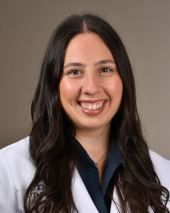
Stephanie S. Rios, AuD
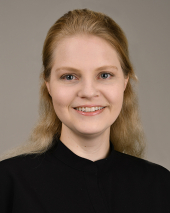
Christine E. Sledge, AuD
Conductive Hearing Loss and TS
- Hearing loss can be caused by changes in the structure of the ear (conductive) or by loss of the neurons that transmit noise to the brain (sensorineural).
- Hearing loss is most common in people with 45,X karyotypes.
- Up to 40% of girls and women with TS have evidence of conductive hearing loss.
- Up to 80% of women with TS show significant sensorineural hearing loss and this tends to progress as they get older.
- Up to 80% of girls and women with TS experience recurrent ear infections.
- Long-term risks of ear infections include perforation or scarring of the ear drum, which can make hearing worse.
- Anatomical differences in the shape of the mouth (palate) and jaw (micrognathia) are more common in TS and may also cause some types of hearing loss.
- Periodic hearing tests are recommended for all people with TS because many hearing problems can be corrected at an early stage.
- Your audiologist can refer you for further testing and treatment based on the results of your hearing test.
Endocrinology - Thyroid, hormone therapy, bone health, diabetes
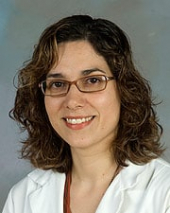
Michelle Rivera, MD
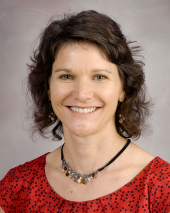
Kelly L. Wirfel, MD
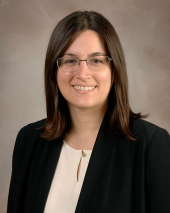
Katie Guttenberg, MD
Autoimmune problems in Turner syndrome
- Hypothyroidism (low thyroid) is the most frequent autoimmune disorder in women with TS, affecting up to 50% of women.
- Symptoms of hypothyroidism include fatigue, feeling cold all the time, weight gain and constipation.
- Other thyroid diseases like Grave’s disease (causing hyperthyroidism, or overactive thyroid) are also more common in TS.
- Symptoms of hyperthyroidism include unplanned weight loss, sweating, palpitations, and diarrhea.
- Regular screening of thyroid hormone levels (TSH and T4 tests) are recommended for everyone with TS, as they can develop any time in life and cause serious health problems if untreated. Please see the Turner Syndrome Healthcare Checklist for more information on screening.
- Drs. Rivera, Wirfel and Guttenberg provide primary care to adolescent and adult women with TS.
- Dr. Guttenberg and Dr. Wirfel see adult patients 18 years and older.
- Dr. Rivera sees patients from birth to age 25 and specializes in transition of care to the adult clinic.
Obstetrics and Gynecology and Fertility
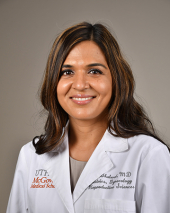
Asha Bhalwal, MD

Georgina F. Amaral, MD
Natural Course of Fertility in TS
- Fertility is reduced in most women with TS.
- Eggs undergo cell death prematurely and ovarian tissue degenerates, leading to streak gonads over time.
- Infertility in TS results from ovarian follicle depletion and loss of eggs, usually in young adulthood.
- Women with TS who are infertile usually undergo early menopause or never have periods.
- Some women with mosaic TS, especially those who start to menstruate without medications, may retain fertility.
- Many assisted reproduction options are available to women with TS:
- Freezing your own eggs or ovarian tissue (cryopreservation)
- Using a donated egg
- Using a gestational carrier
- Adoption
- Anyone with TS who may become pregnant or use assisted reproductive techniques should consult with a geneticist and a reproductive endocrinologist.
Neuropsychology - Learning disability, ADD, anxiety, depression

Taiwo T. Babatope, MD
- Nonverbal learning disability (NVLD) is a developmental disorder related to the right cerebral hemisphere of the brain, the part of the brain that integrates information from several senses at once.
- Women and girls with TS experience varying degrees of the characteristics of NVLD. Researching the signs and symptoms of NVLD is essential for diagnosis and treatment.
- Despite the name, many people with NVLD are actually quite verbal. NVLD does not mean the person is unable to speak.
- Limited reading comprehension
- May have extensive vocabulary: “Talks a lot, yet says very little”
- Great attention to detail, but misses the big picture
- Particular difficulty with math (especially word problems)
- Messy handwriting
- Difficulty learning in new situations
- Poor coordination
- Weak spatial perception which can lead to difficulty riding a bike, catching, skipping, etc.
- Inadequate sense of visual direction and unable to follow directions
- Unable to properly estimate shape, size, weight, and distance
- Difficulty understanding sarcasm
- Difficulty with fluidity of social interactions
- Unable to properly plan and prepare
- Talks to relieve anxiety
- Trouble reading facial expressions
- Issues with changing routine
- Social and emotional withdrawal during middle school
- Inattentive and overactive during childhood
Transition from Pediatric Care to Adult Care
Michelle Rivera, MD
Transition of Care
- Many young adult women with TS do not receive recommended age-appropriate screening for TS-related conditions.
- Beginning at age 12, a pediatric endocrinologist can work with the primary care physician to encourage young women with TS to take charge of their own care.
- We recommend implementing a planned and staged transition process in adolescence:
- Promote self-care and healthy lifestyle behaviors.
- Become aware of your personal health history and risks for potential future health problems.
- Learn how to schedule appointments, order medication refills, and contact insurance plans.
- Learn to advocate for yourself at appointments.
Please see the Turner Syndrome Healthcare Checklist for practical guidance on what you need to transition successfully to adult care.
Genetics - Confirmation of diagnosis and genetic counseling
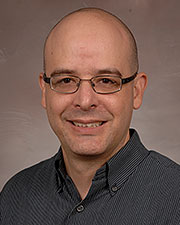
David F. Rodriguez-Buritica, MD
Risk of gonadoblastoma in women with TS
What is gonadoblastoma?
Gonadoblastoma is a rare tumor made from the cells of the ovaries or the testicles. This tumor is usually benign, but it can change into a malignant tumor.
Are girls and women with Turner syndrome at risk for gonadoblastoma?
Yes. If Y chromosome DNA is detected in any tissue (blood, skin, saliva, buccal swab), her risk to develop gonadoblastoma may be as high as 30%.
If Y chromosome material is not detected in the blood, can women with Turner syndrome still be at risk for gonadoblastoma?
Yes, especially women with TS who have 45,X karyotypes. 45,X karyotypes can be caused by losing an X chromosome (from a female 46,X,X cell) or a Y chromosome (from a male 46,X,Y cell). Sometimes, people with 45,X karyotypes have a few leftover 46,X,Y cells in their bodies. If Y chromosome DNA is looked for and not found, the risk of gonadoblastoma is low (<1%), but it is still present. Changes in the external or internal genitalia, such as abnormal hair growth, enlargement of the clitoris, or persistent abdominal or pelvic pain, may be caused by Y chromosome DNA that is present in the ovaries, but not in the blood. That is why it is so important to have a pelvic ultrasound to examine the uterus and ovaries, and to have regular physical examinations by an experienced physician.
Are there any other tests that could be performed to look for Y chromosome material?
SRY PCR or SRY and centromeric Y chromosome FISH are two of the tests that are available to look for Y chromosome material. These tests are usually performed in the blood, but they can also be applied to any tissue sample in which DNA can be extracted.
Is there a perfect test to look for Y chromosome material?
Unfortunately, no. Even if tests of blood or other tissues are negative, the ovaries can contain Y chromosome DNA, and that can predispose individuals to gonadoblastoma.
What is the most important risk factor for the development of gonadoblastoma in women with TS?
The presence of Y chromosome DNA is certainly the most important, but not the only risk factor. Changes in the uterus or external genitalia are also important factors to consider.
Are there any women with TS who are at low risk for gonadoblastoma?
Yes, compared to women with 45,X karyotypes, women with 46,XX/45,X, 45,X/46,X(del)X or 45,X/46,X i(Xq) mosaic karyotypes are at lower risk to develop gonadoblastoma. However, gonadoblastoma can still occur in these women, as in the general population of women with 46,XX karyotypes.
If I participate in research, is Y chromosome material going to be tested in the samples that I provide?
Yes, on some occasions, UTHealth physicians will test your samples for Y chromosome DNA as part of research. The test can detect low levels of Y chromosome DNA, even lower than the levels that could be detected by a regular test sent by your doctor (SRY PCR or FISH). If we detect Y chromosome DNA, we will inform you so you can work with your doctor and receive the appropriate treatment.
What is the treatment that women with Turner syndrome and Y chromosome material need to receive?
Since they have a higher risk of gonadoblastoma, having surgery to remove the ovaries is the current recommendation.
Is there an alternative or surveillance protocol for removal of the ovaries if I elect not to have them removed?
Unfortunately, not at this time. There is no protocol for surveillance of gonadoblastoma that has been proven to be effective in the early detection of gonadoblastoma. The most important and effective treatment to reduce the risk of gonadoblastoma is the surgical removal of the ovaries.
Is there a recommended age when the ovaries should be removed?
For girls and women who are found to have Y chromosome DNA, there is currently is no standard recommendation about when to remove the ovaries. We do recommend that you meet with your doctors as soon as possible after you receive your test result to determine the next best steps.
Gastroenterology - stomach, intestines, and liver

Nirav C. Thosani, MD
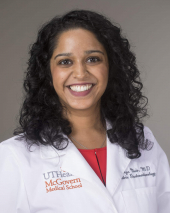
Supriya Nair, MD
Elevated liver enzymes are relatively common in people with Turner syndrome (TS), even when no specific liver disease has been diagnosed. Studies suggest that up to one-third to one-half of individuals with TS may have mildly abnormal liver blood tests at some point in their lives. In many cases, these changes are discovered during routine lab work and do not cause symptoms. Importantly, abnormal liver enzymes in TS do not always mean there is permanent liver damage or a serious condition. The exact reasons are not fully understood, but may relate to differences in metabolism, hormone levels, body composition, or blood vessel structure that are more common in TS. For many individuals, these lab abnormalities remain stable over time and never progress to clinically significant liver disease.
For patients with TS, the most important steps are regular monitoring and healthy daily habits. Liver blood tests are typically checked as part of routine care, and repeat testing helps determine whether changes are temporary or persistent. Patients should maintain a balanced diet, limit alcohol intake, stay physically active, and manage related conditions such as diabetes, high cholesterol, or high blood pressure, all of which can affect liver health. It is also important to review medications and supplements with a healthcare provider because some medications can raise liver enzymes. If liver tests remain elevated, providers may recommend additional evaluation, such as imaging or referral to a liver specialist, but it is important to know that most people with TS never require specific treatment.
Nephrology
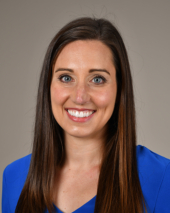
Dia Waguespack, MD
About 30–40% of individuals with TS are born with a difference in how the kidneys are formed or positioned. These can include kidneys that are shaped differently, located lower in the abdomen, or connected in a “horseshoe” shape. Many people never know they have these differences unless imaging is done for another reason. In most cases, kidney structure differences do not interfere with daily life or kidney function. However, some individuals may be more prone to urinary tract infections, kidney stones, or changes in blood pressure, which is why awareness and monitoring are important.
For people with TS, taking care of kidney health focuses on prevention and routine follow-up. Kidney imaging is usually recommended at least once after diagnosis to identify any structural differences. Regular blood pressure checks are especially important because high blood pressure is more common in TS and can affect kidney health over time. Staying well hydrated, promptly treating urinary tract infections, and reporting symptoms such as pain with urination, blood in the urine, or persistent back or side pain can help prevent complications. Patients should also discuss medications and supplements with their healthcare team, as some drugs can affect kidney function. With appropriate monitoring and healthy habits, most individuals with TS maintain good kidney health throughout their lives.
Lymphedema
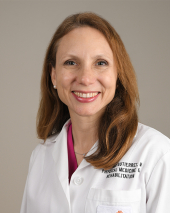
Carolina Gutierrez, MD
Swelling related to lymphedema is common in people with Turner syndrome (TS) and can appear at different times across the lifespan. Many infants with TS have swelling of the hands and feet at birth, and for some, this improves over time. However, lymphedema can return or newly develop during childhood, adolescence, or adulthood. Overall, 20–40% of people with TS may experience lymphedema at some point, most often affecting the feet, ankles, hands, or lower legs. The swelling occurs because the lymphatic system, which helps move fluid and support immune function, may not drain fluid as efficiently in TS. Lymphedema can range from mild and intermittent to more persistent and noticeable.
Self-care and early attention are key to managing lymphedema in TS. Patients should watch for persistent or worsening swelling, a feeling of heaviness or tightness in the limbs, or skin changes such as thickening or redness. Keeping the skin clean and well moisturized helps reduce the risk of skin infections, which can occur more easily when swelling is present. Regular physical activity, gentle movement, and avoiding prolonged immobility can support lymph flow. Some individuals benefit from compression garments or referral to a lymphedema specialist for targeted therapy and education. Promptly reporting signs of infection such as redness, warmth, pain, or fever to a healthcare provider is important. With appropriate monitoring and supportive care, many people with TS are able to effectively manage lymphedema and maintain a good quality of life.
Dermatology
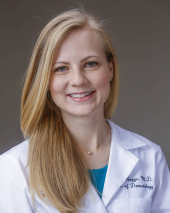
Megan Rogge, MD
Skin Findings and Conditions in Turner Syndrome
- Skin findings are common in individuals with Turner Syndrome.
- Moles are typically increased in number and may have atypical appearance. Skin cancer screenings are important to identify skin cancer early, when it is often easily treated and cured.
- Nail changes and lymphedema (swelling of extremities) are also common.
- Skin conditions such as keloids (firm or overgrown scars), vitiligo (loss of pigment in the skin), psoriasis (scaly skin rash), and alopecia areata (auto-immune coin-shaped hair loss) are likely more prevalent in individuals with TS.
- Current guidelines recommend that individuals with Turner Syndrome undergo a skin exam at least annually.
- Dr. Megan Rogge is a board-certified dermatologist who sees both adult and pediatric patients. She has expertise in screening and treatment of the above listed skin, hair, and nail findings and conditions
Research opportunities
Turner Syndrome: Ongoing Research Projects at UTHealth Houston
(https://clinicaltrials.gov NCT03185702)
For information contact:
What causes congenital heart and blood vessel problems in TS?
UTHealth Houston is using stem cells from TS patients to figure out why. If you volunteer with us, we may ask you to donate one tube of blood from a vein in your arm for our study. We are making stem cells from blood in order to study the development of heart valves and blood vessels. Our results could eventually be used to create new treatments for TS women with bicuspid aortic valves, coarctation of the aorta, and other heart defects.
What genes contribute to heart problems in TS?
UTHealth Houston is doing a genetic analysis of TS volunteers to identify the genes on the X chromosome and throughout the genome that cause congenital heart defects. This research may lead to new genetic tests for TS patients and the potential to correct heart and blood vessel problems using new genetic therapies. The results may also help other people. Specific genetic studies currently include:
- Y chromosome material and congenital heart defects
- Tissue-specific X chromosome mosaicism and TS phenotypes
What skin conditions are prevalent in women with TS?
We designed REDCap and social media surveys to collect information from participants about the frequency and severity of skin diseases in TS.
What are the most important clinical issues to address in our TS patient population?
More than 100 women with TS have completed a REDCap survey to assess issues like understanding diagnosis, access to care, and psychosocial issues in the UTHealth Houston TS population. We are currently analyzing the results and designing questions for a follow-up survey.
Connection with advocacy and support groups
- Turner Syndrome Global Alliance (TSGA)
- Turner Syndrome Society of the United States (TSSUS)
- Turner Syndrome Foundation