
For many people, surviving a heart attack or heart procedure feels like a second chance. But what happens after leaving the hospital? Studies show that people who participate in cardiac rehabilitation often recover more fully, improve their stamina, and lower their risk of future heart-related complications. So why is it one of the most underused resources in health care?
Despite decades of evidence supporting it, only about one in four eligible patients nationwide enroll in cardiac rehab, according to federal data. Even fewer complete the program. That gap has major implications, as patients who finish cardiac rehab can cut their risk of dying nearly in half compared with those who don’t take part.
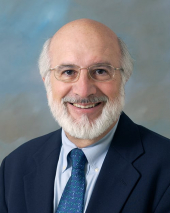
“Many patients need a lot of emotional support and psychological support just to get them to come — and return the next time,” said Francisco Fuentes, MD, the Theodore R. & Maureen O’Driscoll Levy Endowed Professorship in Cardiology Research, director of cardiac rehabilitation, and cardiologist at UT Physicians Heart & Vascular – Bellaire Station. “Sometimes they’ve never exercised before, and we’re telling them in the hospital about cardiac rehab and exercising three days a week.”
Fuentes’ devotion to cardiac rehab runs deep. He first explored the benefits of cardiac rehabilitation for patients with ischemic heart disease in a 1975 article as a Baylor College of Medicine fellow. He later founded our cardiac rehab program in 1988 and continues to direct it.
Understanding cardiac rehab
Designed specifically for cardiovascular recovery, cardiac rehab is a certified form of physical therapy that helps patients regain strength. Rather than focusing only on the heart, cardiac rehab supports recovery of the whole person — physically, emotionally, and mentally.
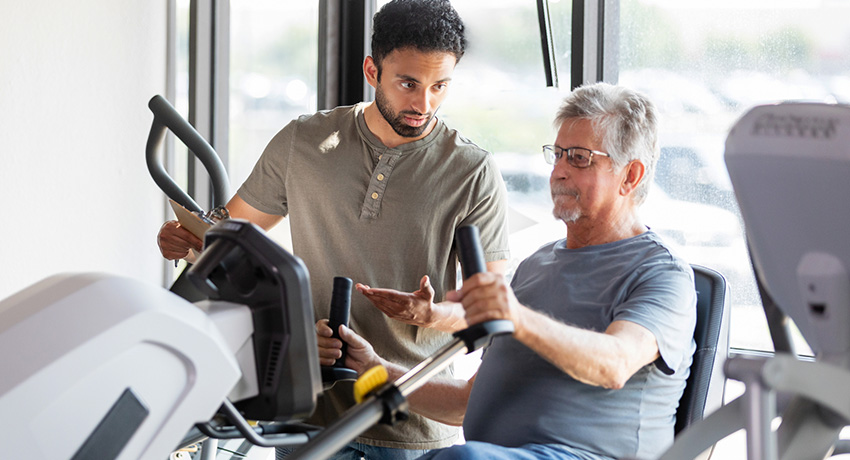
The cardiac rehab for UT Physicians patients offers a structured, personalized, three-month program — three times a week for 36 sessions. Patients receive supervised exercise with blood pressure and heart rate monitoring. A care team of nurses, exercise specialists, dietitians, and physicians guides patients through the program. This collaborative approach is a hallmark of the program, as the team meets once a week to discuss their patient’s progress.
Benefits beyond the exercise
“Another important aspect is the opportunity to identify patients who have significant depression,” Fuentes said. “We’ll refer them to our outstanding colleagues in psychiatry or psychology. Supporting the patient and their quality of life is paramount to ensure they can return to their active life before this particular event.”
Education is another major focus. Patients learn practical ways to take care of their hearts, including tips for heart-healthy eating, managing medications, reducing stress, and recognizing warning signs that should not be ignored. For many, cardiac rehab fills an important gap between hospital care and everyday life.
“We have data that shows the more sessions you complete, the better results — for improving quality of life, as well as mortality,” Fuentes said.
Success in the program can be attributed to a number of factors, including strong staff support and extra activities that promote behavioral change, Fuentes said.
Regaining confidence
A significant portion of cardiac rehab’s value lies in helping patients overcome psychological barriers after a cardiac event. Many patients shift from feeling healthy to experiencing a life-threatening episode, which can deeply affect their confidence and create fear around physical activity.
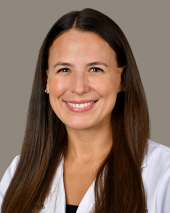
“I tell patients, ‘It’s hard not to think of yourself as a porcelain doll, but you’re not,’” said Brittany M. Owen, MD, a cardiologist at UT Physicians EP Heart – Memorial City and assistant professor of cardiology at McGovern Medical School at UTHealth Houston. “You’ve been fixed, you’re going to heal and be able to recover. It can be mentally challenging to go from a mindset of thinking you are fine to then worrying you may not make it.”
Owen said common barriers to participation include transportation issues, wait times, lack of insurance, work commitments, depression following cardiac events, and patients feeling better before starting. This is a major missed opportunity to help people recover better and live longer.
“If patients go home and are afraid to do anything, they’ll start the sedentary lifestyle,” Owen said. “We all know that if you’re sedentary, you’re more likely to get sick again and have more cardiovascular events.”
Ultimately, cardiac rehab is about more than recovery. It’s about learning how to live well with heart disease and building habits that support long-term health.