

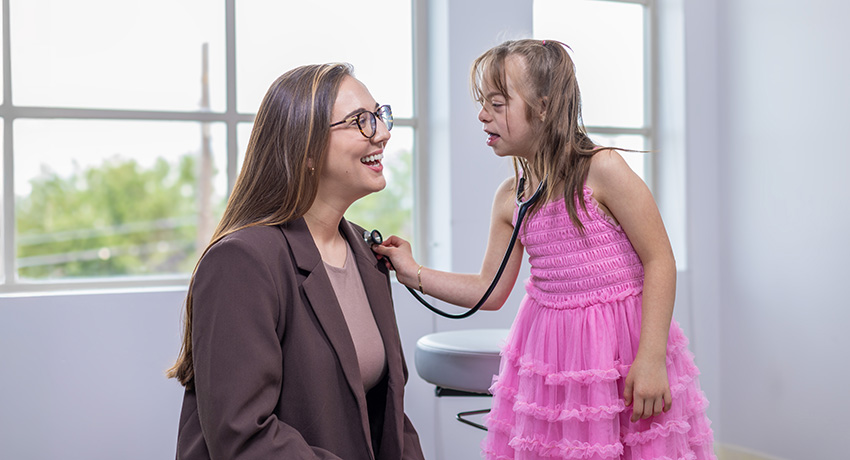
Families of children with Down syndrome can look forward to a new medical home as the university develops a new multidisciplinary clinic in early 2027, with community input. These families often experience fragmented healthcare with multiple referrals, long wait times, and little coordination across numerous specialties. This adds stress and anxiety on top of a challenging diagnosis.
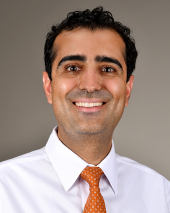
“A lot of people come to us and are surprised they’re never plugged into a single, clinical service but referred out,” said Gabriel Anzueto, MD, developmental and behavioral pediatrician and medical director of the Dan L Duncan Children’s Neurodevelopmental Clinic at the Children’s Learning Institute at McGovern Medical School at UTHealth Houston. “They’re lacking an organization from the medical side where they can go for answers specifically relating to Down syndrome.”
The core clinicians in this multidisciplinary clinic will include Anzueto, Maria Tellez, MD, pediatrician at UT Physicians Multispecialty – International District, and Laura A. Keehan, MD, clinical geneticist at the Duncan Clinic and assistant professor of pediatrics in the Division of Medical Genetics at McGovern Medical School.
“The general sense I’ve heard from parents is that there are great supports in place when it comes to developmental assessments for children with Down syndrome, but not as much a medical home for them in Houston,” Keehan said. “They don’t have a clear path forward from the time their child is born through when they become an adult.”
Benefits to the Down syndrome community
The expanded program will offer a multidisciplinary clinic where families can access coordinated care through a centralized team familiar with the unique needs of people with Down syndrome. Support will extend beyond medical care to areas such as nutrition, development, therapy services, and social resources.
“We’re going to build these providers as a referral line,” said Anzueto, assistant professor and Raghuthaman Family Professor in Pediatric Neurology and Developmental and Behavioral Pediatrics in the Department of Pediatrics at McGovern Medical School. “It’s a coordination working with the practice managers and the referral pipelines and identifying who those leaders are in every clinic and every subspecialty who can take that on.”
This specialty clinic will also be beneficial from an educational standpoint, being part of an academic medical center, as advances in Down syndrome care continue to evolve. This helps not only trainees but also healthcare professionals who may not have extensive experience treating these patients.
“This is a common condition, and as providers, we’re all going to care for a patient with this syndrome sooner or later,” Tellez said. “It will be helpful to train current physicians and specialists, too, because there have been so many new developments with Down syndrome.”
Listening to the voice of the community
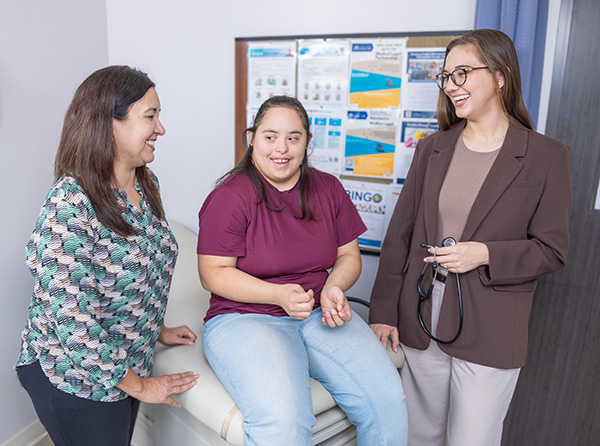
As part of the planning and brainstorming, the team is collecting feedback through a needs assessment survey to learn specific needs and gaps in care for families. This survey is designed to ensure the program is built around the priorities of patients and families. Questions focus on areas such as specialists that families consider most important, services that would provide the greatest value, and desired cadence of multidisciplinary visits.
“People who have Down syndrome have medical complications that affect almost every body system,” Keehan said. “One of the primary goals is figuring out the priorities of the community and of families when it comes to all the different providers their child will need to see.”
The survey gives families and caregivers a direct voice in shaping future services. Results will help program leaders advocate for resources, engage specialty departments, and demonstrate community demand when seeking support from university and health system leadership.
Anzueto said the long-term vision is to establish a comprehensive Center of Excellence for Down syndrome care within UTHealth Houston as a destination for specialized care, including attracting international families.
“We can’t just wave a magic wand and build it,” Anzueto said. “But the survey can give us a good five- to 10-year plan based on feedback of what the community would like.”