

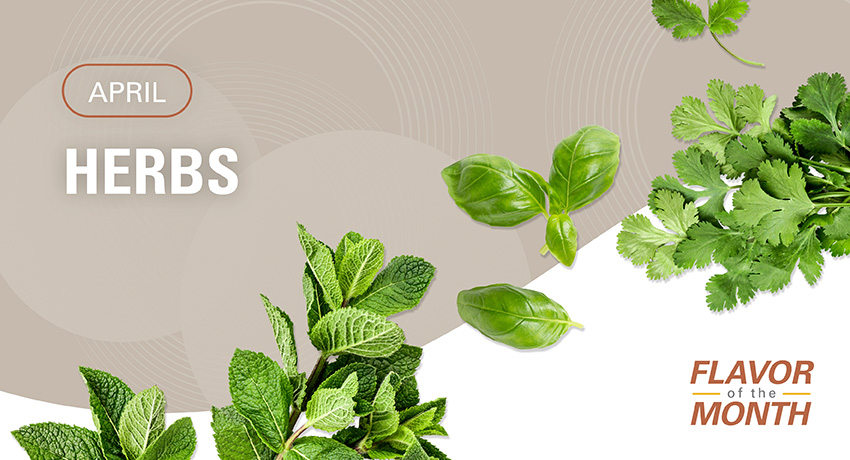
A handful of fresh herbs might seem like a finishing touch, but they can do more than brighten a meal. Used regularly, herbs support digestion and gut health in ways that are simple and sustainable.

“Just being aware that there are herbs with powerful benefits — that also add flavor and help your health — is half the battle,” said Pritesh Mutha, MD, a gastroenterologist at UT Physicians Multispecialty – Cinco Ranch and associate professor of gastroenterology at McGovern Medical School at UTHealth Houston. “You can have healthy food and amazing tasting food, which actually work much better than medicine on a daily basis.”
Benefits of herbs
Eating food flavored with herbs provides a number of health benefits. Regular use can support digestion, reduce inflammation, and benefit systems throughout the body. Herbs support beneficial gut bacteria while limiting harmful bacteria. They are also rich in antioxidants and polyphenols, the chemical that reduces inflammation.
Mutha said it doesn’t matter how herbs are consumed: fresh, dried, frozen, and powdered herbs can all be beneficial. Cooking herbs too long may reduce some benefits, so adding them toward the end of cooking can help preserve flavor and nutrients.
Mutha emphasized the importance of eating a variety of herbs and not overloading on just one.
“We are so conditioned with medicine that if one is good, then 10 is better,” Mutha said. “For herbs, balance and variety are key.”
Three flavorful herbs to add to your palate
The following describe some of the herbs Mutha focuses on for their health benefits.
Basil
For Mutha, basil is a favorite — partly shaped by family history and partly by how accessible, easy to grow, and powerful it can be in small amounts.
Growing up in India, Mutha’s mother routinely made him chew a few basil leaves before exams on his way to school. It wasn’t superstition but tradition rooted in ancient medicine. Years later, as a gastroenterologist, he understands why that simple habit mattered.
“It helps with brain power, and mom always said we would become smarter,” Mutha said. “That was our conditioning growing up. Eventually, we learned grandma’s recipe had some rationale behind it.”
Benefits:
- Improves digestion
- Supports brain health, focus, and mood
- Helps relieve gas and bloating
- Supports healthy gut microbiome
- Reduces inflammation
- Helps with stress and anxiety
How to use it:
- Add a few fresh basil leaves to salads, sandwiches, bowls, or vegetables.
- Consistency matters more than quantity.
Cilantro
Mutha references cilantro as a powerful herb that is especially beneficial for hormonal and gut-related concerns. His family relies on it daily for cooking.
“Cilantro essentially goes in everything in Indian cooking, and it’s our go-to herb,” Mutha said.
Benefits:
- Supports hormonal and menstrual health
- Supports heart and immune health
- Helps manage irritable bowel syndrome (IBS) symptoms
- Supports the body’s natural cleansing process
- May help regulate blood sugar
How to use it:
- Sprinkle fresh cilantro at the end of cooking.
- Add to green juices, smoothies, or salads.
- Use regularly, but in modest amounts.
Mint and peppermint
Mutha emphasized that mint, peppermint, and spearmint relate to leaves and oil, not the mint candy filled with sugar, chemicals, and preservatives.
Benefits:
- Relieves bloating, gas, and abdominal cramps
- Commonly used for IBS symptoms
- Can ease headaches (especially peppermint oil)
- Supports respiratory health
- May help with stress-related conditions
How to use it:
- Add mint into salads, soups, pasta, or smoothies.
- Use fresh mint for a refreshing cup of tea.
Connection to anti-cancer
One of Mutha’s strong messages about herbs centers on their anti-cancer benefits. He said naming it plainly matters — otherwise, people don’t make the connection.
“Whenever I say antioxidant or anti-inflammatory, these are also important aspects that can be categorized as anti-cancer,” he said.
According to Mutha, herbs may help block cancer-causing substances, prevent dangerous/cancer-causing DNA mutations, or slow the growth of existing cancer.
“It works on all three levels, which is the beauty of herbs,” he said.