

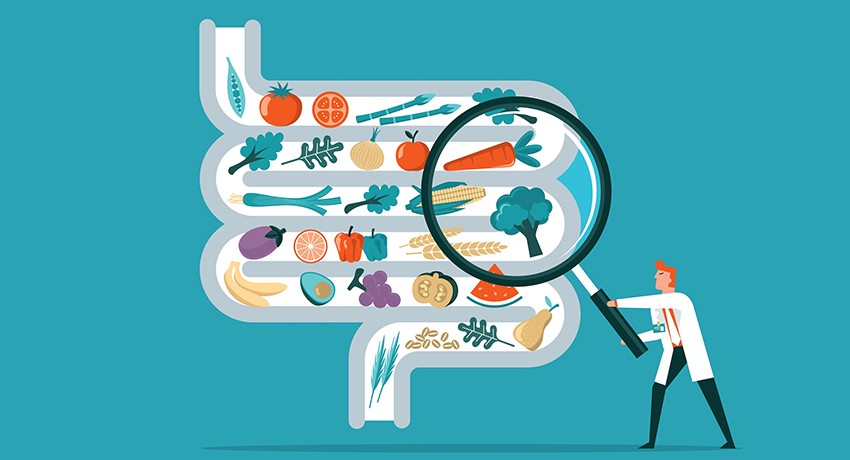
Colon cleansing, an ancient practice of irrigating the large intestine, has seen a resurgence in popularity, promoted as a way to detoxify the body, improve digestion, or promote overall health. Although popular on social media and among influencers, there are no proven health benefits from colon cleansing, and the practice carries real risks.

“There is a broader detox movement promoting colon cleansing right now, but it’s not recommended for a generally healthy individual,” said Shaleen R. Vasavada, MD, a gastroenterologist with UT Physicians Gastroenterology – Greater Heights. “Severe complications such as liver injury, dehydration, and renal dysfunction have been reported.”
What is a colon cleanse?
A colon cleanse refers to a range of practices intended to flush waste material from the large intestine, also known as the colon. These methods vary in approach and intensity.
- Colon hydrotherapy (colonics): A procedure done in a non-medical setting using specialized equipment to flush a large volume of water through the entire large intestine.
- Enemas: A method of flushing water or a saline solution through the rectum to stimulate a bowel movement.
- Oral laxatives: Over-the-counter products designed to either draw water into the colon to soften stool or stimulate the colon to push stool along.
- Supplements: Products marketed for cleansing, weight loss, and bloating. Taken orally, herbal supplements such as detox teas and powders are not regulated by the Food and Drug Administration (FDA).
Why do people try colon cleanses?
Colon cleansing is often promoted as a way to remove built-up waste, improve digestion, increase energy levels, support weight loss, and manage chronic bloating. These claims may sound appealing, but they are not supported by scientific research.
Does the body need help detoxifying?
The concept of colon cleansing is to remove waste and toxins; however, in healthy individuals, the digestive system already filters, breaks down, and removes harmful material.
“The body has a highly effective built-in detoxification system. The liver, the kidneys, and the intestines do a great job of safely eliminating toxins and waste. They continuously work and don’t require supplemental flushing,” Vasavada said. “If they stop working properly, you should consult a doctor before attempting home remedies.”
Are there proven benefits of colon cleansing?
The purported benefits of colon cleansing are not backed by medical research.
“There aren’t any randomized controlled trials supporting colon cleanses, and there’s documented evidence of harm. For those reasons, colon cleansing is not recommended,” Vasavada said.
What are the risks of a colon cleanse?
Some methods of colon cleansing may appear harmless, but all colon cleansing practices carry a level of risk, especially when done frequently or without medical supervision.
Common side effects
- Abdominal pain
- Anal irritation and soreness
- Bloating
- Cramping
- Dehydration
- Disruption of the gut microbiome
- Electrolyte imbalance
Serious complications
- Bowel perforation
- Impaired kidney function from dehydration
- Infection and sepsis from non-sterile equipment
- Liver damage from herbal supplements
Who should avoid colon cleansing?
Colon cleansing is not recommended for anyone on a routine basis. Risks are elevated for individuals with the following health conditions:
- Diverticulitis
- Heart, kidney, or liver problems
- History of bowel surgery
- Inflammatory bowel disease (Crohn’s or Ulcerative Colitis)
- Pregnancy
- Taking blood thinners or diuretics
- Weakened immune systems
When is bowel cleansing medically necessary?
There are legitimate medical situations in which bowel cleansing is appropriate and beneficial. These colon cleanses are performed under a physician’s guidance for the following instances:
- Certain abdominal or colon surgeries: when bowel cleansing is required before or after the procedure
- Colonoscopy preparation: ensures a clear view of the colon for screening and diagnosis
- Treatment for severe constipation or fecal impaction: when other treatments are not effective
Healthier ways to support digestive health
Rather than turn to colon cleanses, there are other evidence-based habits that support colon and digestive health.
“These have all been shown to decrease colon cancer risk and improve gut health,” Vasavada said.
Evidence-based strategies:
- Avoid tobacco
- Eat a fiber-rich diet
- Exercise regularly
- Limit processed and red meat
- Limit highly processed and packaged foods
- Limit alcohol
- Maintain a healthy weight
- Manage stress
- Stay hydrated
Should you try a colon cleanse?
Maintaining a healthy digestive system, increasing energy levels, and promoting weight loss do not require a colon cleanse. With no proven health benefits and documented risks, elective colon cleansing is not recommended.
“If you’re experiencing digestive symptoms, the safest and best course of action is to speak to a physician,” Vasavada said.
Waste in the colon is a natural byproduct that the body eliminates routinely and safely.