
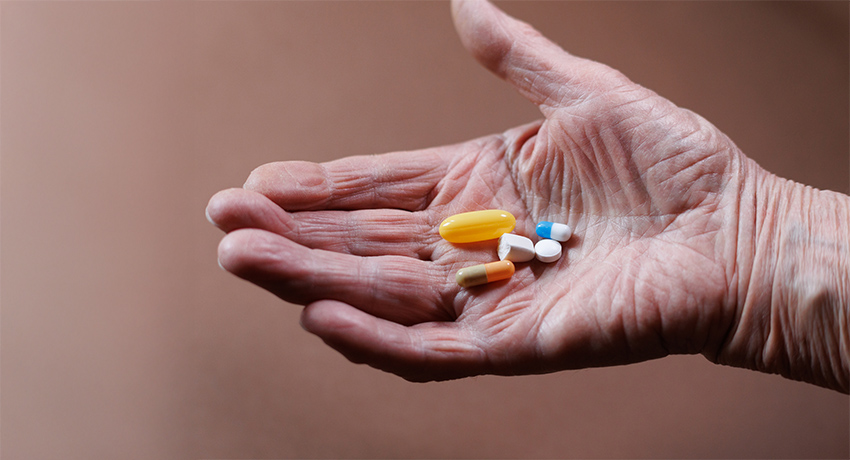
It’s certainly not a statistic you’d expect in the senior population. Overdose deaths from fentanyl mixed with stimulants skyrocketed 9,000% in adults age 65 and older in just eight years (2015 to 2023). But this crisis isn’t originating in doctors’ offices.

“These are patients who are getting illicit street drugs,” said Amad A. Qadeer, MD, a pain medicine specialist and anesthesiologist at UT Physicians Orthopedics – Memorial Villages. Understanding this difference is essential to preventing more deaths.
Medical vs. street fentanyl
In medical settings, Qadeer said fentanyl is remarkably safe. Nearly every surgical patient receives this potent synthetic opioid in tiny doses under careful monitoring through blood pressure, oxygen levels, and EKG. When prescribed for home use, fentanyl typically comes only as a transdermal patch for cancer patients — rarely as pills.
What’s happening on the streets is something else entirely. Illicit manufacturers add this inexpensive drug to stimulants, like methamphetamine and cocaine, to increase potency. A surgical dose is around 100 micrograms. According to the Drug Enforcement Administration, the amount of fentanyl in a counterfeit pill can range from 0.02 to 5.1 mg. Shockingly, 5 mg equals 5,000 micrograms, which is 50 times what an anesthesiologist would give during surgery.
How seniors are affected
The spike in senior overdoses represents people inadvertently encountering contaminated street drugs, not problems from legitimate prescriptions. Seniors may obtain these substances themselves or come in contact with them through family members.
“If someone goes to a pain management clinic or their primary care doctor, the provider is not going to be prescribing cocaine or methamphetamine,” Qadeer said.
Older adults face even greater risk because most are “opioid naïve” and haven’t built up tolerance. When someone unknowingly takes fentanyl, they can stop breathing within minutes.
Safer pain management for older adults
When specialists do prescribe opioids, extensive safety precautions apply: regular drug screenings, prescription monitoring, naloxone (commonly known as Narcan) prescriptions to reverse a potential overdose, and monthly follow-ups.
“It’s most likely not going to be fentanyl, but something like tramadol, codeine, or hydrocodone,” Qadeer said. “In fact, I think I have zero fentanyl prescriptions currently.”
With older patients, Qadeer’s philosophy is simple: less is more. Aging bodies process medications differently, with diminished kidney function causing drug accumulation. Many seniors take multiple medications, creating the potential for interaction risks.
Even non-opioid pain relievers require caution. Ibuprofen can cause stomach bleeding or cardiovascular complications in older adults who take blood thinners. Some pain medications act as central nervous system depressants, worsening confusion.
A holistic approach
For older adults managing chronic pain properly, the focus should combine appropriate medication, when needed, in addition to emotional support, cognitive strategies, and careful monitoring. The three dimensions of pain (sensory-discriminative, affective-motivational, and cognitive-evaluative) all influence pain levels.
“It’s a multimodal, holistic approach, understanding that there are different reasons why we have pain and different ways to address it,” Qadeer said. “Positive thinking, cognitive behavioral therapy, and good social support can help manage pain without medication.”
For confused older patients, especially after surgery, Qadeer’s first approach is redirection rather than more medication. He asks their name, if they know where they are, and explains they just had surgery and are safe in the hospital.
“Sometimes older patients get confused and scared because they don’t know what’s going on,” Qadeer said. “This simple intervention often improves both pain and mental clarity without additional drugs.”
What caregivers should watch for
Family members of older adults can provide a second set of eyes to ensure medication safety. Qadeer said they should watch for signs of excessive sedation, confusion, and impaired mobility that could lead to a fall risk.
For families concerned about pain management or potential medication issues, communication with health care providers is essential. For a suspected overdose, a quick spray of naloxone in one nostril can be lifesaving. It is now widely available at most pharmacies without a prescription.
Houston Emergency Opioid Engagement System (Heroes), a program in McWilliams School of Biomedical Informatics at UTHealth Houston, has provided more than 4,000 units of naloxone across Texas. The team works with individuals seeking long-term recovery from opioid use disorder through medical, behavioral health, peer support, and additional services at no cost. Share this remarkable resource with anyone in need.