
2012 Medical School Weill Cornell University
2013 Internship Tufts University School of Medicine
2015 Residency Tufts University School of Medicine
2019 Fellowship University of Illinois
2020 Fellowship UPMC Presbyterian Shadyside Hospital

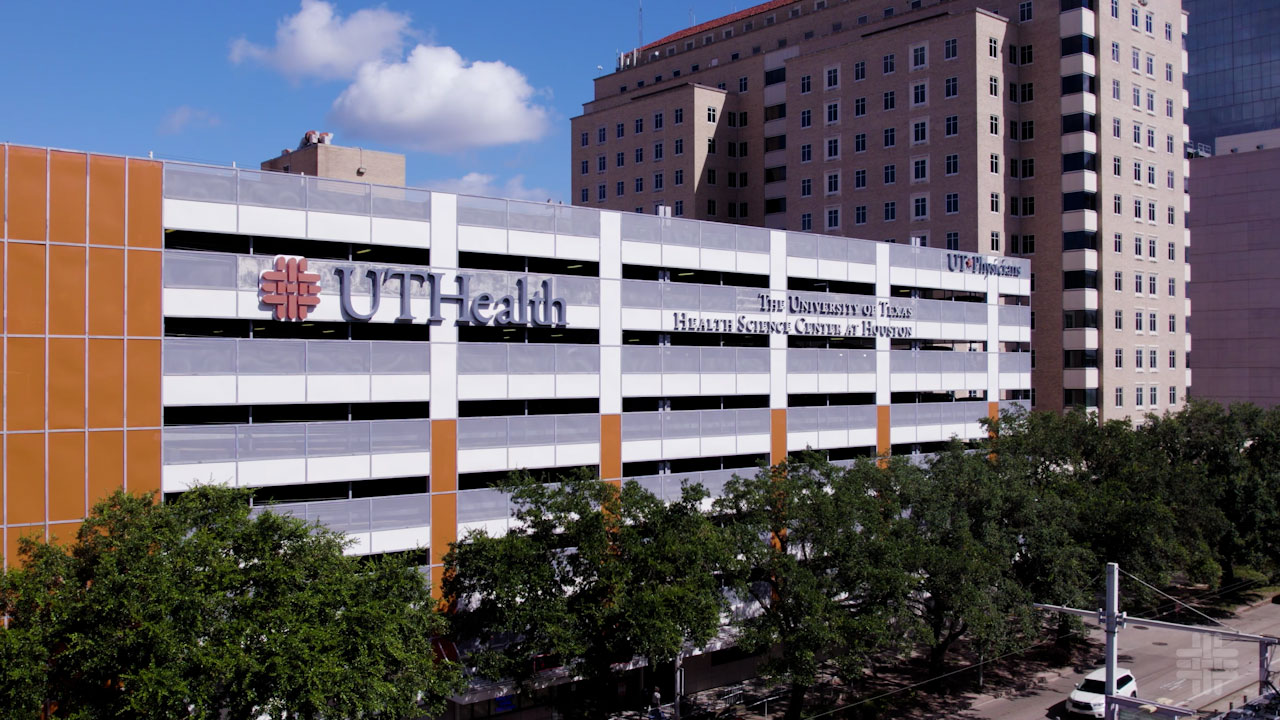
UT Physicians provides primary and specialty care for patients of all ages. We have over 2,000 health care providers with expertise in more than 80 specialties and subspecialties. From routine visits to advanced services, our physicians practice at more than 100 locations across the Greater Houston area. Find the care you need and schedule an appointment with us today.
If you are a patient of UT Physicians, the information below outlines our process and facilities to facilitate a relaxed and successful experience.
With more than 2,000 clinicians certified in more than 80 medical specialties and subspecialties, UT Physicians provides multispecialty care for the entire family.
There has been an error in displaying this message. Please contact the site administrator.


Wasseem Skef, MD, is a board-certified gastroenterologist and advanced endoscopist specializing in the diagnosis and minimally invasive treatment of complex esophageal and gastrointestinal disorders. His clinical practice focuses on advanced and therapeutic endoscopy, with particular expertise in gastroesophageal reflux disease (GERD), swallowing and esophageal motility disorders, and third-space endoscopy.
Dr. Skef specializes in diagnosing and treating acid reflux (GERD) and a swallowing disorder called achalasia using advanced, minimally invasive, camera-guided techniques. For achalasia, he performs peroral endoscopic myotomy (POEM), a procedure that gently cuts the tight muscle at the bottom of the esophagus, avoiding external scars and promoting faster recovery. For reflux, he offers transoral incisionless fundoplication (TIF), a scope-based procedure that rebuilds the body’s natural barrier against stomach acid without traditional surgery.
His expertise also extends to advanced endoscopy to remove early tumors and complex growths from the digestive tract. This includes endoscopic mucosal resection (EMR), which allows him to lift and remove abnormal surface tissue, and endoscopic submucosal dissection (ESD), which enables precise cutting beneath the lesion for larger or more challenging areas of the esophagus. Beyond this, Dr. Skef treats tight esophageal strictures and other complex conditions within the digestive tract, all through small scopes. These approaches help patients avoid large incisions, recover sooner, and get back to normal eating and activity as quickly as possible.
Dr. Skef completed his gastroenterology fellowship at the University of Illinois Chicago, followed by advanced endoscopy fellowship training at UPMC Presbyterian Medical Center in Pittsburgh. Before joining UTHealth Houston, he served on the faculty of Baylor College of Medicine and Loma Linda University, where he helped develop comprehensive esophageal and advanced endoscopy programs.
His academic interests include esophageal physiology, GERD, third-space endoscopy, endoscopic resection, and the development of less invasive alternatives to surgery for gastrointestinal disease.
All patient experience ratings and comments are submitted by actual patients and are received and validated by a leading independent survey company, NRC Health.