

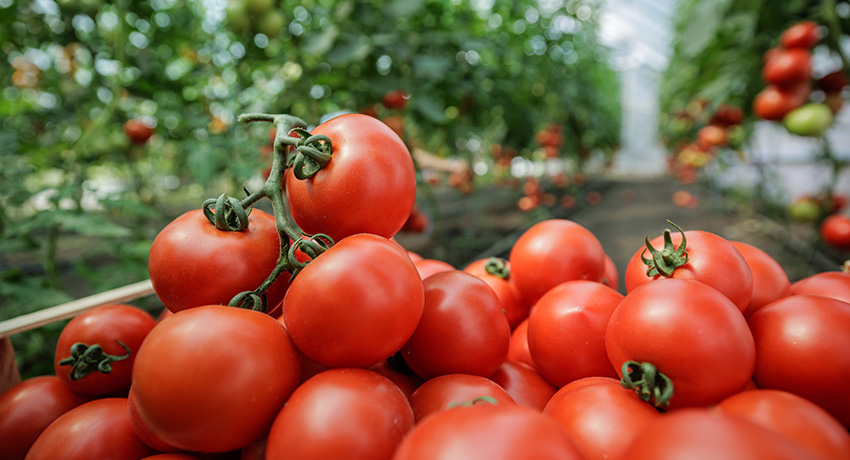
Tomatoes are a staple in everything from salsa to pasta sauce, but their health benefits often go unnoticed. Adding a tomato to your day is a simple way to put food-as-medicine principles into practice.

“Eating one tomato a day gives you a lot of health benefits, because it has all the vitamins and minerals that are needed,” said Sharmila Chatterjee, RD, CDCES, a registered dietitian and certified diabetes care and education specialist at UT Physicians Obstetrics and Gynecology Continuity Clinic.
A single large tomato packs a variety of nutrients, including lycopene, vitamin C, vitamin K, potassium, folate, and other antioxidants linked to overall health. Chatterjee said most people don’t need additional supplements to meet their daily vitamin needs if they’re eating a colorful variety of fruits and vegetables. Tomatoes are an easy way to check that box.
How lycopene supports prostate health
Of all the nutrients in tomatoes, lycopene draws the most research interest. This carotenoid gives tomatoes their red color and carries antioxidant and anti-inflammatory properties. Chatterjee said it’s been studied extensively for its connection to cancer prevention, particularly prostate cancer.
“Lycopene is anticancer,” said Chatterjee. “It’s been found to be beneficial with prostate cancer, in terms of improving prostate cancer status and prevention.”
Chatterjee pointed to a review of multiple studies that found the protective effects were stronger among people who ate more tomatoes. The benefits also appeared greater in studies that followed participants for longer periods. Lycopene enhanced immunity and cancer-risk reduction.
Still, Chatterjee cautioned against viewing tomatoes as a cure.
“That doesn’t mean everyone who eats tomatoes can prevent cancer, but it can probably help with the severity of it,” she said.
Cooking makes a difference
How you prepare tomatoes can also affect how much lycopene your body absorbs. Raw tomatoes in a salad don’t deliver the same boost as cooked ones, since lycopene is released when heat breaks down the tomato’s cell walls.
“That’s the only way to release the lycopene,” Chatterjee said. “Most of the time, we’re boiling the tomato paste or puree, and that’s when the lycopene is released.”
Fresh tomatoes may offer slightly higher nutrient levels, but canned tomatoes are still a nutritious option, Chatterjee said. Tomatoes are best stored at room temperature to maintain their flavor and texture. People who should be cautious with tomatoes are those with kidney disease, since tomatoes are relatively high in potassium.
Tomatoes and heart health
Tomatoes may also support heart health. Chatterjee said research has linked beta-carotene, another carotenoid found in tomatoes, to lower blood pressure and other cardiovascular risk. Chatterjee said cherry and Roma tomatoes tend to contain higher concentrations of these nutrients than other varieties.
Incorporating tomatoes in your meals
Chatterjee recommends finding simple ways to include tomatoes in meals. She personally loves a tomato soup made with onion and garlic. Give these additional ideas a try:
- Use tomatoes as a base for a homemade marinara instead of cream sauces.
- Add tomatoes to eggs or an omelet with spinach and mushrooms.
- Serve tomato slices with basil, fresh mozzarella, and balsamic vinegar or olive oil.
- Make fresh salsa with Roma tomatoes, onion, jalapenos, cilantro, lime juice, and cumin.
- Serve gazpacho cold soup in the summer.
- Enjoy a classic BLT (turkey bacon, lettuce, and tomato) sandwich.
Whether it’s a homemade marinara, tomato soup, or a fresh caprese salad, tomatoes can be an easy and flavorful way to add more nutrients to your plate.