

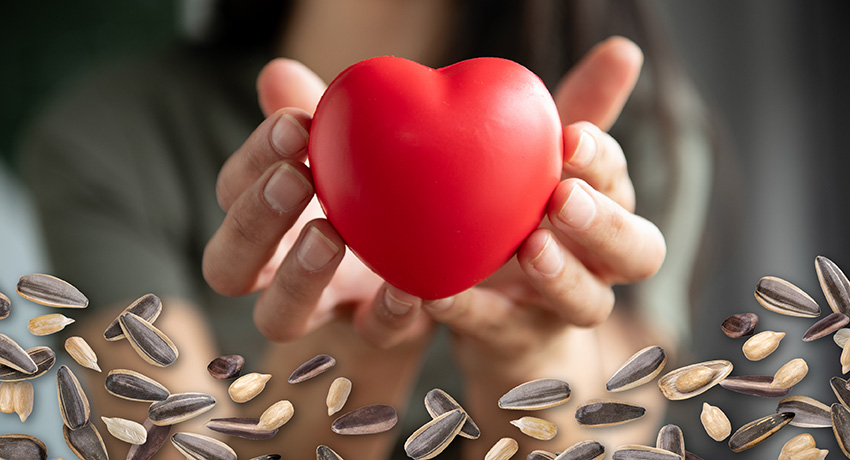
Meet the small seed working overtime to do the body good. An often-overlooked nutritional powerhouse, sunflower seeds are a good source of protein, magnesium, vitamin E, and fiber.

“Sunflower seeds are a great complement to a healthy summer snack, offering health benefits that protect your heart, improve blood circulation, and fight inflammation,” said Melisa P. Danho, MPH, a registered dietitian at UTHealth Houston School of Public Health.
Small seed, mighty power
They may be small, but sunflower seeds are rich in nutrients that help prevent chronic illness, lower cancer risk, and reduce the effects of hypertension.
“One serving of unsalted sunflower seeds, which is about 1/4 cup, has 6 grams of protein. For comparison, that’s the same as one egg,” said Danho, the director of the dietetic internship program at UTHealth Houston.
Sunflower seeds are packed with these nutrients:
- Plant protein: Builds and repairs muscles and tissues without the cholesterol from animal-based proteins.
- Vitamin E: A good source of antioxidants, vitamin E offers immune support, prevents skin cell damage, and protects red blood cells.
- Magnesium: Supports energy production, muscle and nerve function, and helps regulate blood pressure and improve blood circulation.
- Dietary fiber: Containing both soluble and insoluble fiber, sunflower seeds help slow digestion, curb hunger, and lower cholesterol levels.
Can sunflower seeds help prevent chronic disease?
Research shows that nutrients in sunflower seeds can help reduce the risk of chronic conditions such as high cholesterol and high blood pressure, ultimately lowering the risk of heart disease. The antioxidants in magnesium can help protect against cancer development.
- Lower cholesterol: The combination of magnesium and fiber, along with the unsaturated fat found in sunflower seeds, makes this small kernel a heart-healthy food. The fiber helps move cholesterol out of our system, protecting cardiovascular function.
- Regulate blood pressure: Especially when eaten as part of the dietary approaches to stop hypertension, or DASH diet, the health benefits of sunflower seeds are boosted to lower and regulate high blood pressure.
- Reduces cancer risk: High in antioxidants, sunflower seeds can lower the body’s cancer profile.
“People forget about eating nuts and seeds all the time, and with sunflower seeds, a little can go a long way to improve cardiovascular health,” Danho said.
Unsalted vs. salted sunflower seeds?
When buying sunflower seeds, look for unshelled kernels without added salt or flavoring.
“Be wary of sunflower seeds that are roasted and salted still in shells. Some of those seeds can have extremely high sodium levels, which is very dangerous for high blood pressure,” Danho said.
Reading the product label and checking the nutrition facts are key when buying sunflower seeds. Sunflower butter can also provide similar nutritional value and serve as a replacement for peanut butter.
Easy ways to add sunflower seeds to meals
As nutrient-dense whole foods, sunflower seeds offer a simple way to increase daily intake of protein, vitamin E, magnesium, and fiber. Available year-round, these kernels are a mess-free, portable food with a satisfying crunch that can be enjoyed as a snack on their own or added to meals.
Breakfast:
- Yogurt
- Oatmeal
- Smoothie bowls
Lunch
- Leafy salads
- Grain bowls
- Wraps
Dinner
- Bean dip or bean salad
- Fish or legumes
- Roasted vegetables
- Soups
Snacks
- Cottage cheese
- Homemade trail mix
- Spread sunflower butter on banana slices
- Spread sunflower butter on tortillas, layer with fruit slices, then roll the tortilla