

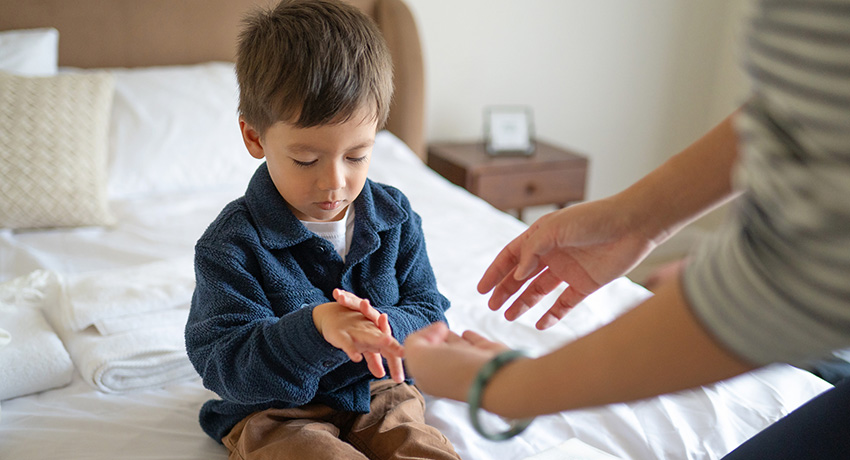
When most people picture arthritis, they imagine a grandparent, not a toddler. But juvenile idiopathic arthritis, or JIA, can appear even before a child’s first birthday. While it can be diagnosed throughout childhood, it’s most commonly identified in children after age 2.
Unlike the wear and tear of arthritis many adults experience with age, JIA is an autoimmune condition. The immune system mistakenly attacks the body’s own joints, causing inflammation that can interfere with a child’s growth and skeletal development if left untreated.
Signs that are easy to miss
JIA doesn’t always come with obvious pain, which is one reason it can go unnoticed by parents and even healthcare providers. Younger children, especially, may not complain about symptoms or realize something is wrong.
Signs worth paying attention to include:

- Morning stiffness that improves as the day goes on
- Difficulty moving the hands after waking up
- Joint swelling that lasts six weeks or longer
- Limping for more than 15 minutes after waking—and sometimes for hours
“Left untreated, JIA can do more lasting damage in children than in adults, because children’s growth plates are still open,” said Monica A. Bray, MD, a pediatric rheumatologist at UT Physicians Pediatric Specialists – Texas Medical Center.
Over time, ongoing inflammation can prevent a joint from fully straightening, alter normal bone growth, or damage the joint itself. In some cases, untreated disease can lead to differences in leg length. JIA may also affect the spine and increase the risk of eye inflammation, a complication that often has no symptoms and can only be detected through regular exams with an ophthalmologist.
How JIA is diagnosed
One common misconception is that blood work can rule JIA in or out. But Bray said diagnosis is based primarily on a child’s symptoms and a physical exam, with imaging used when needed.
“You can have completely normal labs and your joint can be permanently damaged by arthritis,” said Bray, an assistant professor of pediatric rheumatology at McGovern Medical School at UTHealth Houston. “You can have a positive ANA and a positive rheumatoid factor and not have arthritis.”
That misunderstanding is one reason the condition was renamed years ago from juvenile rheumatoid arthritis to juvenile idiopathic arthritis. Today, diagnosis focuses on what physicians can observe during an examination rather than on a specific laboratory test.
In the majority of cases, a physical exam provides enough information to make a diagnosis. When symptoms aren’t as clear-cut, ultrasound or MRI can help identify inflammation.
The earlier JIA is recognized, the better the chances of preventing long-term joint damage and helping children get back to what matters most—growing, playing, and simply being kids.
Advances in treatment
For children diagnosed with JIA, treatment options are more effective than ever. Depending on the type and severity of disease, care may include anti-inflammatory medications, joint injections, or methotrexate. When needed, children may be treated with advanced medications called biologics that target the immune system and prevent joint damage.
Newer treatment options, known as JAK inhibitors, are oral medications that block multiple inflammatory pathways at the same time.
Treatment may last anywhere from about 18 months to several years, depending on how quickly a child reaches remission and how well the disease responds to medication. The goal is to eventually taper and stop treatment once remission has been sustained.
“We do have really effective treatments for arthritis,” Bray said. “Once they’re diagnosed and treated, we’re typically able to get them into full remission, and the arthritis doesn’t have any impact on their day-to-day activities.”