UT Physicians provides primary and specialty care for patients of all ages. We have over 2,000 health care providers with expertise in more than 80 specialties and subspecialties. From routine visits to advanced services, our physicians practice at more than 100 locations across the Greater Houston area. Find the care you need and schedule an appointment with us today.
With more than 2,000 clinicians certified in more than 80 medical specialties and subspecialties, UT Physicians provides multispecialty care for the entire family.
UT Physicians Cardiology has the most comprehensive range of advanced cardiovascular diagnostic and imaging modalities available in the United States. We have our internationally recognized cardiovascular specialists interpret these studies, so that your results are analyzed and a treatment plan developed to optimize your cardiovascular health and well being.
We offer the following imaging and diagnostic technologies:
Electrocardiogram (EKG): An electrocardiogram measures the electrical activity generated by the heart.
Echocardiogram: An echocardiogram uses ultrasound, or sound waves, to create detailed images of the heart muscle, and valves. These images can also measure the heart’s blood flow and function.
Stress Echocardiography: A stress echocardiogram uses ultrasound to see how the heart works under exercise conditions.
Nuclear Stress Testing and Nuclear Imaging: A nuclear stress test uses an injected radioactive material to look at the blood flow through the heart during exercise conditions.
Positron Emission Tomography (PET): At the Weatherhead PET Center, we provide advanced cardiac PET and cardiac PET-CT. PET-CT is like a nuclear stress test, but can detect smaller changes in blood flow and changes to heart muscle cell function.
Heart Rhythms Monitors: These monitors, called Holter or event recorders, are small iPod-size devices connected to leads that are placed on the chest to record heart rhythms.
Optimization of Pacemakers and Defibrillators (ICD): We can optimize any pacemaker or defibrillator using our non-invasive programming devices. We now also offer “pacemaker tune ups” using ultrasound, so that the pacemaker makes the heart pump more efficiently.
Vascular Ultrasound: Vascular ultrasound uses sound waves to create detailed images of the carotid arteries, renal arteries and limb arteries. These images can also be used to measure the blood flow through the artery and detect blockages.
Vascular screening: Our range of vascular screening modalities include carotid artery screening, peripheral artery screening, abdominal aortic aneurysm screening, and early coronary artery disease imaging.
Non-Invasive Vascular Testing: This test measures changes in blood pressure at different levels in the arms and legs to non-invasively detect blockages.
Cardiovascular Magnetic Resonance Imaging (CMR): This test uses magnetic fields (without radiation) to create detailed images of the heart and vascular system.
Cardiovascular Computer Tomography (CT 64 slice): This test takes and puts together multiple X-rays using computers to create detailed images of the heart and vascular system.
Laboratory Tests: The full range of laboratory tests are available.
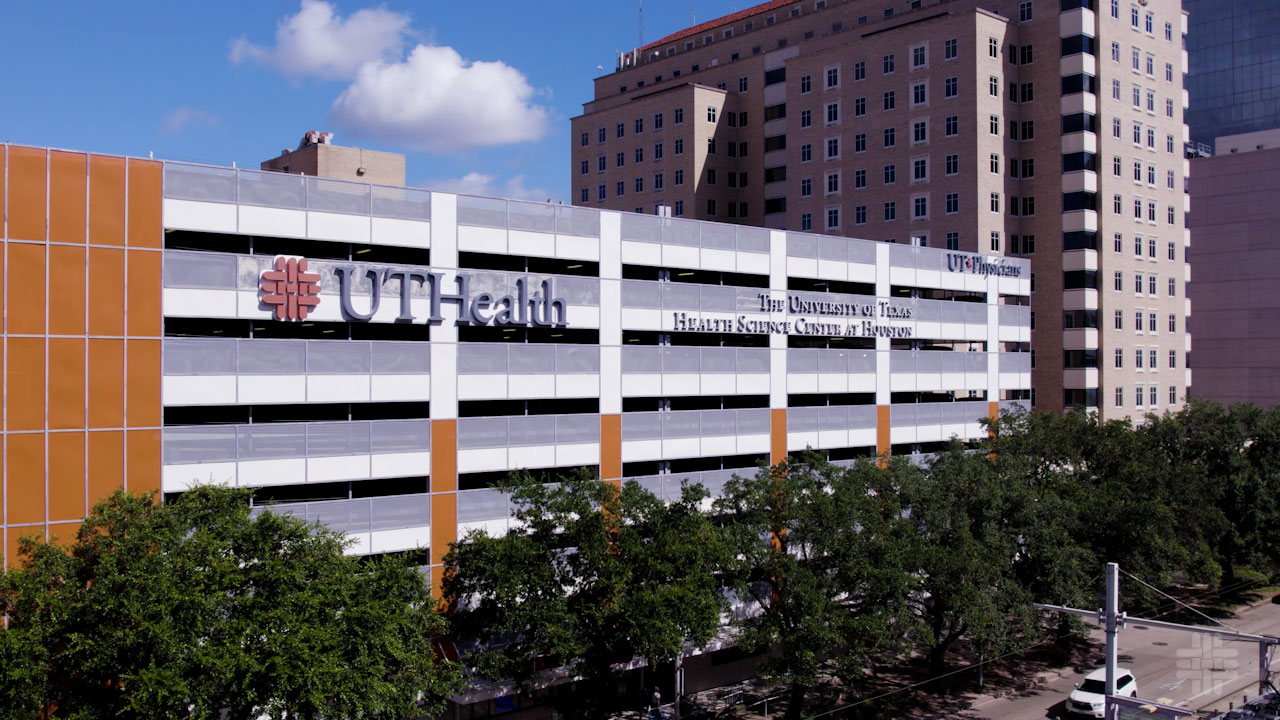
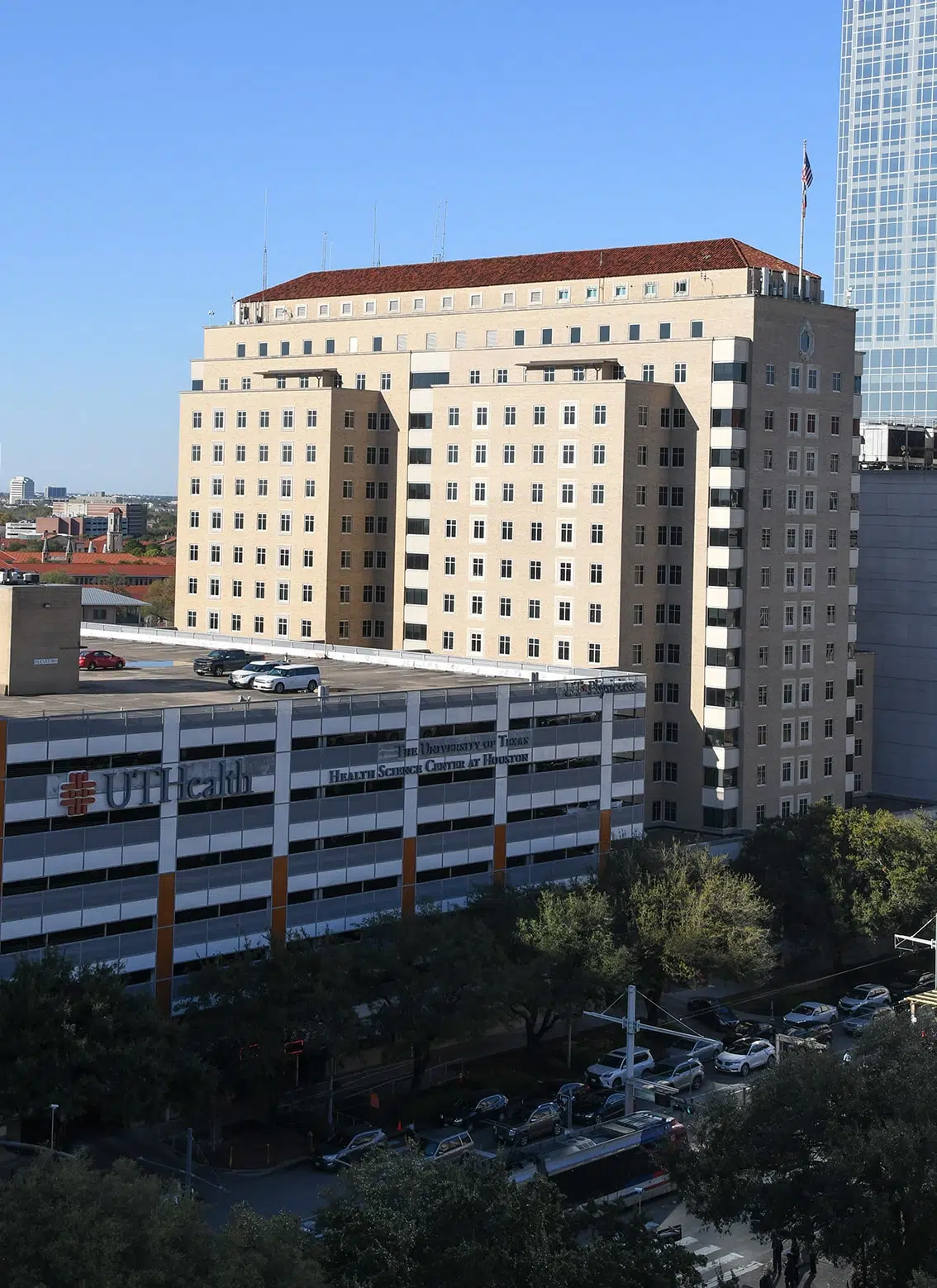
Parking Information
Parking Information
High pedestrian alert The Fannin-facing side of the UTPB Garage Building has high pedestrian traffic. Please be careful when entering and exiting the parking building.
Parking rates
Time range
Rate
0 Minutes – 1 Hour
$4
1 Hour – 1 Hour 20 Min
$5
1 Hour 20 Min – 1 Hour 40 Min
$6.00
1 Hour 40 Min – 2 Hours
$7
2 Hours – 2 Hours 20 Min
$8
2 Hours 20 Min – 2 Hours 40 Min
$9
2 Hours 40 Min – 6 Hours
$10
6 Hours – 24 Hours
$20
Lost Ticket
$20
Daily Max
$20.00
Valet Parking – 0 Minutes – 6 Hours
$12
Valet Parking – 6 Hours – 24 Hours
$20
*No in and out privileges
Getting to the parking garage
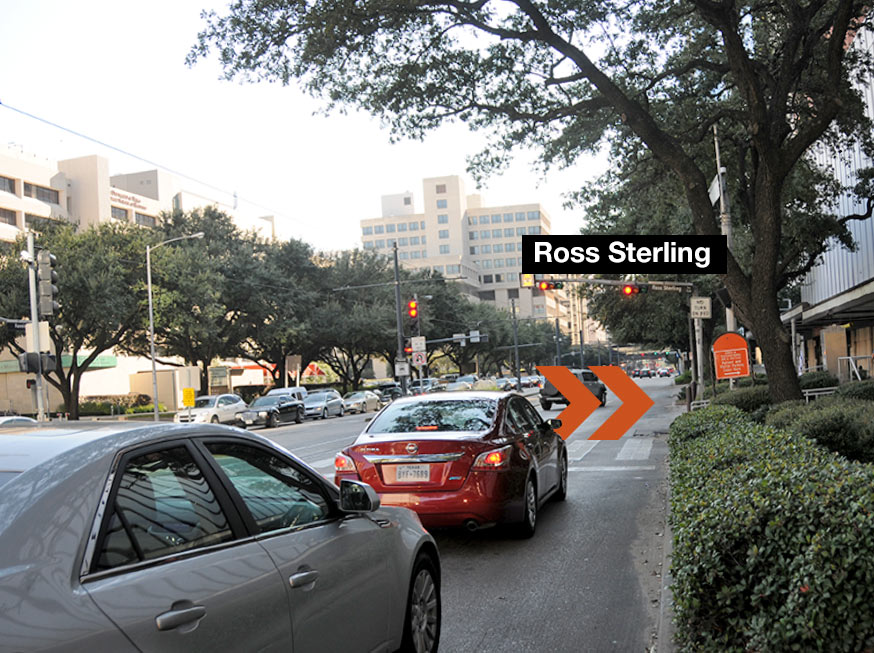
From Fannin Street (Southbound)
On Fannin Street, take a right at the Ross Sterling light between Mac Gregor and John F. Freeman Boulevard.