
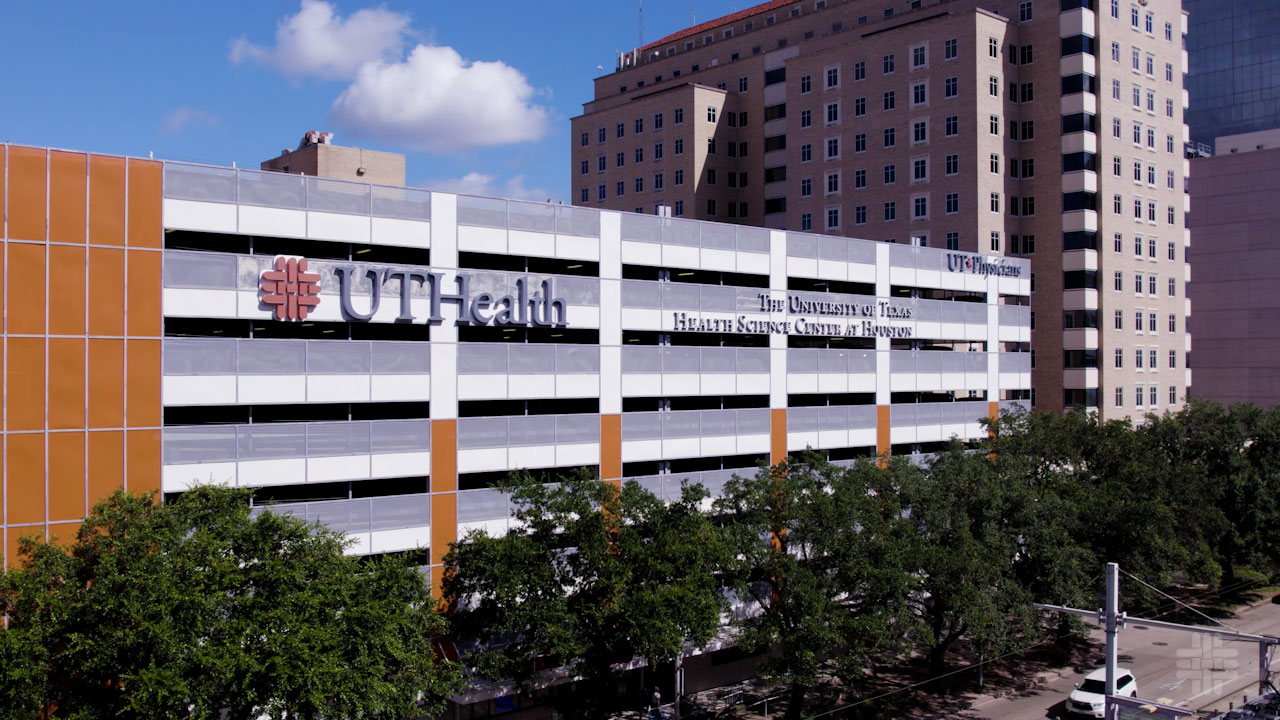
ENT Sleep Disorders and Surgery
At UT Physicians, the ENT Sleep Disorders and Surgery program provides advanced surgical care for adults 18 and older with sleep-related breathing issues, such as obstructive sleep apnea (OSA) and other airway obstructions. OSA occurs when the airway becomes blocked during sleep, causing breathing interruptions that can lead to serious health risks over time. Many patients have tried continuous positive airway pressure (CPAP) but haven’t been able to tolerate it or experience enough improvement in symptoms. For these patients, surgery can offer a life-changing solution.
The practice’s board-certified otorhinolaryngology head and neck surgeons, also known as ENT surgeons, specialize in ENT sleep apnea surgery and work closely with a multidisciplinary team of sleep medicine specialists, pulmonary specialists, and a weight management team to create care plans tailored to your specific anatomy and needs. Every decision is guided by an evidence-based approach and detailed evaluation of your sleep studies, airway anatomy, and overall health.
As the clinical practice plan of McGovern Medical School at UTHealth Houston, UT Physicians brings the latest research and surgical innovations directly into patient care, giving you access to new techniques and clinical trials not widely available elsewhere.
Who we treat
We evaluate and treat adult patients 18 and older who:
- Have a confirmed diagnosis of OSA through a sleep study
- Cannot tolerate or have failed CPAP therapy
- Are referred by their physician or a sleep specialist for surgical evaluation
- Meet body mass index (BMI) and overall medical fitness requirements for surgery
- Have completed a comprehensive diagnostic workup, including imaging and airway evaluation
Why choose UT Physicians for ENT sleep care?
- Specialized expertise – Fellowship-trained ENT surgeons with advanced training in sleep apnea and airway surgery
- Collaborative care – Integrated treatment plans with sleep medicine, pulmonary, and other specialists
- Comprehensive diagnostics – Access to sleep labs, advanced imaging, and in-office airway evaluation
- Individualized treatment – Surgical planning tailored to your airway anatomy and overall health
- Research leadership – Through McGovern Medical School, UT Physicians surgeons participate in clinical trials and research funded by the National Institutes of Health
- Commitment to outcomes – Long-term follow-up to help ensure your surgery delivers lasting results
Treatment options
Who is a surgical candidate?
You may be a candidate for surgery if you have:
- Anatomical airway obstruction
- Documented CPAP intolerance or failure
- Completed a diagnostic evaluation, including sleep study, airway endoscopic exam, or other imaging studies
What surgical procedures are available?
- Hypoglossal nerve stimulator implantation (HNS) – Includes unilateral stimulation (INSPIRE) and bilateral stimulation (Genio). These devices gently stimulate the nerve that controls tongue movement, helping keep your airway open during sleep.
- Drug-induced sleep apnea (DISE) – DISE is a key diagnostic procedure performed under sedation to identify the exact sites and patterns of airway collapse. This helps tailor the most effective surgical plan.
- Upper airway reconstruction – Procedures such as uvulopalatopharyngoplasty (UPPP), Barbed pharyngoplasty, lateral pharyngoplasty, expansion pharyngoplasty, uvulopalatal flap, tongue base reduction, tonsillectomy, adenoidectomy, and hypoid bone suspension can help enlarge and stabilize the airway.
- Nasal surgery – Septoplasty, turbinate reduction, nasal valve surgery, and sinus surgery can improve nasal airflow, CPAP tolerance, and support other airway surgeries.
Frequently asked questions
What are my options if CPAP doesn’t work?
If CPAP isn’t effective or you can’t tolerate it, surgery may be an option. We offer procedures like DISE, hypoglossal nerve stimulator implants (Genio or INSPIRE), upper airway reconstruction, and nasal surgery, depending on your specific anatomy. Our team will review your sleep study results and airway evaluation to determine the best approach.
What is hypoglossal nerve stimulator implantation?
A hypoglossal nerve stimulator (HNS) is a small, surgically implanted device that stimulates the hypoglossal nerve, which controls tongue movement, shifting the tongue slightly forward during sleep to prevent airway collapse. HNS is often recommended for patients with moderate to severe OSA who can’t tolerate CPAP. There are two FDA-approved stimulators: Genio, a bilateral hypoglossal nerve stimulator, and INSPIRE, a unilateral hypoglossal nerve stimulator. Our surgeons are fully trained and experienced in implanting both systems.
Am I a candidate for sleep apnea surgery?
Candidates are adults with a confirmed OSA diagnosis, CPAP intolerance or failure, and specific airway anatomy that surgery can address. You’ll also need to meet health and BMI requirements. A comprehensive evaluation, which includes a sleep study and DISE, will determine your eligibility.
Will I need a sleep study before surgery?
Yes. A current sleep study is required to confirm your diagnosis and OSA severity. In many cases, this must be done within the last 24 months. If you haven’t had one recently, we can coordinate with UT Physicians sleep medicine specialists to arrange it.
What is recovery like after upper airway surgery?
Recovery varies depending on the type of surgery. Most patients experience some throat soreness, swelling, and difficulty swallowing for a short period. You may need to follow a modified diet temporarily. Full recovery can take two to six weeks, and follow-up visits are important to monitor healing and results.
Meet the Physicians

Xiaoyang Hua, MD, PhD

Xiaoyang Hua, MD, PhD, is a board-certified ENT surgeon-scientist and otolaryngologist specializing in sleep apnea, ear, and sinus care. He is also an associate professor in the Department of Otorhinolaryngology – Head and Neck Surgery at McGovern Medical School at UTHealth Houston.
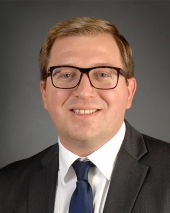
Douglas Stanley, MD
Douglas Stanley, MD, is a board-certified ENT surgeon and otolaryngologist treating sleep apnea, sinus conditions, and ENT needs for all ages. He is also an assistant professor in the Department of Otorhinolaryngology – Head and Neck Surgery at McGovern Medical School at UTHealth Houston.

Vivek M. John, MD

Other UTHealth Houston services for sleep-related care
In addition to the UT Physicians ENT Sleep Disorders and Surgery program, which focuses on surgical treatment for sleep apnea and other anatomical airway obstructions, UTHealth Houston also has a number of other programs to support patients with sleep-related issues:
- UT Physicians Pulmonary and Sleep Medicine offers diagnosis and management of a full range of sleep disorders, including sleep studies and CPAP therapy.
- UTHealth Houston Neurosciences offers a sleep disorders program with specialized care for neurological causes of sleep disorders, such as narcolepsy and restless leg syndrome.
- UT Physicians Center for Obesity Medicine and Metabolic Performance (COMMP) provides structured, evidence-based weight management support through comprehensive weight loss programs to help reduce OSA severity and improve surgical outcomes.
Locations

Houston, TX 77089-6081
Mon - Fri 8 a.m. - 5 p.m.

Houston, TX 77030-1539
Mon - Fri 8 a.m. - 5 p.m.
Shenandoah, TX 77380-3285
Mon - Fri 8 a.m. - 5 p.m.

Houston, TX 77008-1536