2000 Medical School McMaster University
2008 Graduate School University of Toronto
2008 Residency University of Toronto
2011 Fellowship University of Pennsylvania

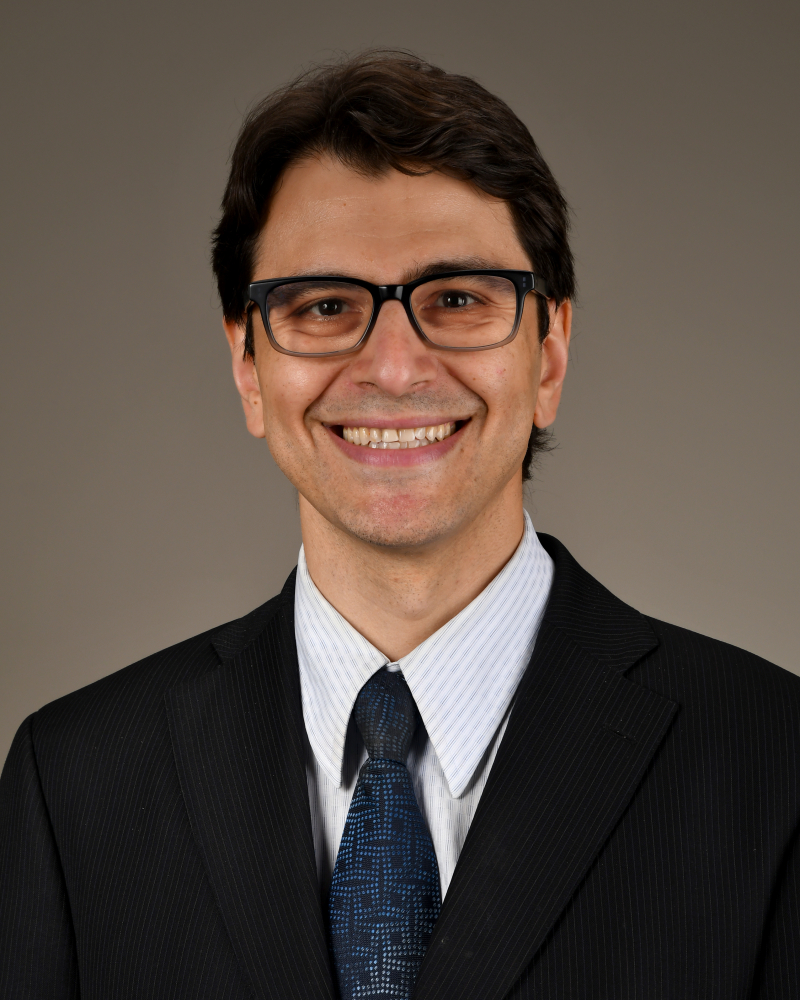

Danny Ramzy, MD, PhD, is a board-certified and fellowship-trained cardiothoracic surgeon. He’s a globally recognized leader in the implementation of all forms of minimally invasive and robotic cardiac surgical interventions available today. His expertise includes various robotic procedures, including robotic mitral repair and replacement, robotic coronary arterial bypass, robotic Maze procedures, right anterior thoracotomy, aortic valve replacement, ascending aortic replacement, and myectomies.
He’s also a professor and chair of cardiac surgery in the Department of Cardiothoracic and Vascular Surgery at McGovern Medical School at UTHealth Houston.
Ramzy is highly respected for his leadership in transcatheter approaches through his accomplishments in the field of transcatheter aortic valve replacement (TAVR) and transcatheter mitral valve replacement (TMVR). He is also widely recognized for his leadership in mechanical circulatory support, broad experience in the implementation of extracorporeal membrane oxygenation, left ventricular arterial support, including Impella, and total artificial heart.
Ramzy’s leadership in the development of new devices has led to him becoming an innovator in education. His minimally invasive, robotic, and transplantation methodologies have led to over 100 peer-reviewed publications and over 200 abstracts. Widely regarded for his editorial activity, Ramzy was named Reviewer of the Year in 2020 by “The Annals of Thoracic Surgery” in the field of adult cardiac surgery. He also serves as an editorial board member for the “Journal of Thoracic and Cardiovascular Surgery.”
Ramzy seeks to join with his distinguished colleagues in taking up the mantle of cardiac surgical leadership that originated in Houston and becoming a leading voice in the next generation of cardiac surgical interventions through his advocacy of minimally invasive, robotic, mechanical support devices, and transplantation. As a leader in the Houston community, Ramzy’s goal is for McGovern Medical School to be seen as a leading center for minimally invasive and robotic surgeries.
He has devoted his clinical and academic career to teaching the advantages of minimally invasive and robotic procedures, such as less discomfort and faster recovery times for patients, greater efficiency for providers and patients, and raising the standard of care for future generations of patients and physicians.