

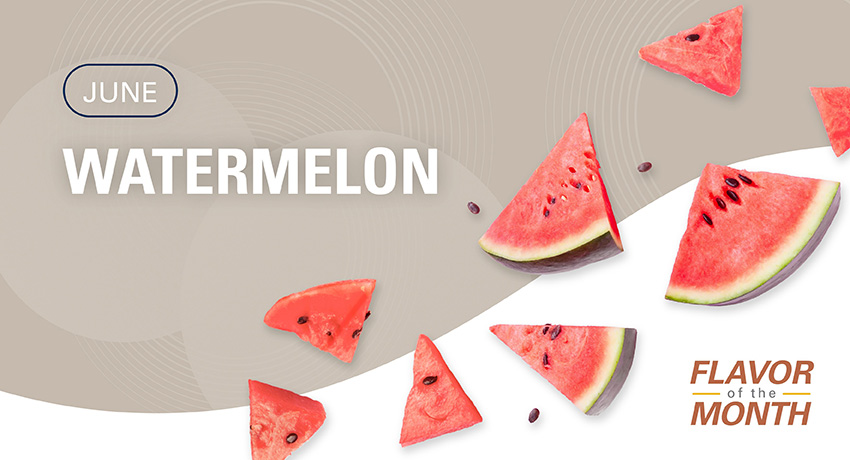

Find refreshing relief from the hot, humid air this summer with a cold slice of watermelon.
“This is one of my favorite summer fruits because it has a low calorie count, high nutrient content, tastes great, and is easy to store and transport,” said Deepa Iyengar, MD, a family medicine specialist with UT Physicians Family Medicine – Texas Medical Center.
Watermelon supports healthy hydration
The aptly named watermelon is made up of nearly 90% water. When facing increased fluid loss through summer sweat, turning to watermelon is a great way to reduce the risk of dehydration. A lack of water in the body can lead to dull skin, bad breath, fatigue, brain fog, and more serious complications, including seizures, blood clots, and kidney stones.
“Water plays a vital role in keeping our organs and cells functioning correctly. Eating watermelon is a wonderful alternative or addition to drinking plain water,” said Iyengar, professor and vice chair for the Department of Family and Community Medicine at McGovern Medical School at UTHealth Houston, where she is also the Stanley G. Schultz, MD, Distinguished Professor in Global Health.
Watermelon’s antioxidants and vitamins
Watermelon doesn’t just look good enough to eat, it is good enough to eat! That beautiful reddish-pink color that invites a delicious, juicy bite is rich in antioxidants and vitamins.
Lycopene: A powerful plant compound, this antioxidant gives watermelon its bright color and is linked to decreased risk of cancer, heart disease, and age-related eye disorders.
Vitamin C and immune support: A good source of vitamin C, watermelon strengthens the immune system, supports iron absorption, and promotes healthy skin.
Vitamin A and eye health: Watermelon is also rich in beta-carotene, which the body converts into vitamin A. This vitamin promotes and preserves eyesight.
“Watermelon looks good, giving it a great advantage,” Iyangar explained. “Because the brain likes the way it looks, it perceives that it wants it.”
Low-calorie fruit with big flavor
Naturally occurring sugars make watermelon a great option when sugar cravings hit, because it is also low in calories, with about 45 calories per cup.
“Watermelon tastes great, but it’s not high in sugar content, so it’s actually a healthy way to get natural sugars,” Iyengar said. “Grapes and cantaloupes have nice flavors, but higher sugar content and calories.”
Watermelon is a great summer treat
When stored in a cool, dry place, an uncut watermelon can last up to two weeks, and even longer if refrigerated. Whether feeding a crowd or a party of one, with a long shelf life and easy preparation, watermelon is a near-perfect summer food that quenches thirst and satisfies a sugar tooth.
“It’s one of the few fruits that is low in calories and also has a lot of health benefits,” Iyengar said.
Ways to eat watermelon
As if a gift from Mother Nature, this splendidly sweet, hydrating fruit is also at its peak during the hottest months. Watermelon is officially in season and available across Texas grocery stores from May through September.
Include watermelon in your summer diet with these ideas:
- Add to a smoothie
- Blend it into a gazpacho
- Cut and freeze into ice cubes
- Juice it into popsicles
- Serve it with prosciutto
- Slice it up with mint and feta
- Spice it up by adding lime, salt, and chili powder