

Have you ever felt butterflies in your stomach before an important event? Noticed digestive problems during a particularly stressful week? Or become irritable and hangry because you’ve waited too long to eat?

These everyday experiences show how closely our stomach and brain are linked.
“There’s a two-way connection between the brain and the gut. Things that can affect one will affect the other,” said Andrew DuPont, MD, a gastroenterologist at Ertan Digestive Disease Center, as well as director of clinical investigation in gastroenterology and the Atilla Ertan, MD, Chair in Inflammatory Bowel Disease at McGovern Medical School at UTHealth Houston.
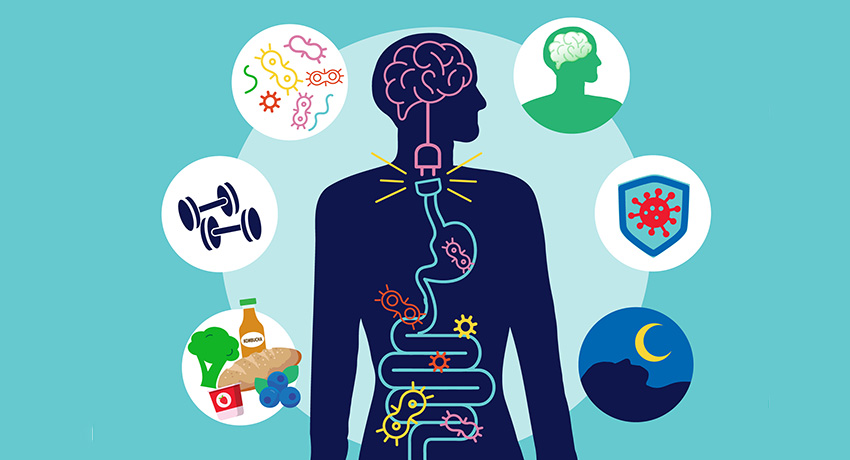
That two-way relationship is important. How we feel can affect the digestive tract, and activity in the digestive system can impact our mood and decision-making. This is called the gut-brain connection.
What is the gut-brain connection?
The gut-brain connection describes the communication network linking the gastrointestinal (GI) tract and the brain. The GI tract contains an extensive network of neurons, called the enteric nervous system, sometimes referred to as the “second brain.”
These nerves in the digestive tract send signals to the brain, communicating needs such as hunger and fullness. When you’ve gone too long without eating, or eaten too much food, that messaging increases, alerting the brain to a sensation of pain.
The gut microbiome adds another layer. The gut microbiome is trillions of microorganisms living in the GI tract. Gut microbes help create and regulate hormones such as serotonin, the “feel-good” chemical. When serotonin production in the gut is high, it sends signals to the brain to help regulate happiness, emotional stability, focus, and calm. And vice versa, low production of serotonin in the gut is commonly linked to depression and anxiety.
How do the gut and brain communicate?
Think of the gut-brain connection as a network with several communication channels operating simultaneously.
One important route is the vagus nerve, which connects the brain with the GI tract. The vagus nerve receives signals from the enteric nervous system and the microbiome, relaying information to the brain. The vagus nerve works in both directions.
“The vagus nerve is the superhighway between the brain and digestive system,” DuPont said. “Signals circulate up and down this nerve, influencing digestive processes such as intestinal movement, or motility.”
Signs your gut may be out of balance
There is no single symptom or test that can determine if the gut-brain connection is out of balance. However, these symptoms are associated with an altered gut-brain interaction:
- Bloating
- Abdominal discomfort or pain
- Diarrhea
- Constipation
- Changes in bowel habits
- Irritable mood
Symptoms from an imbalanced gut-brain connection do not necessarily occur every day. Some patients experience periods of symptoms followed by periods when they feel well.
These symptoms can have many causes, so they should not automatically be attributed to stress or the microbiome. Persistent, recurrent, or concerning digestive symptoms should be discussed with a health care professional.
Ways to support a healthy gut-brain connection
There is no single food, supplement, or “gut reset” proven to optimize the gut-brain connection. Instead, focus on the fundamentals of overall health. A well-rounded, healthy diet, stress management, sleep, and exercise are important considerations.
Ways to improve gut health:
- Fiber: Fruits and vegetables are full of natural fiber, which helps slow digestion, move food through the GI tract, and feed the good bacteria in our gut.
- Fermented foods: Yogurt, sourdough bread, kombucha, and sauerkraut are examples of fermented foods. They are linked to greater gut microbial diversity and lower inflammation.
- Prebiotics: Garlic, onions, oats, and bananas contain prebiotics, which feed the healthy bacteria in the gut.
- Manage stress: Take breaks from social media and work. Reduce your commitments. Practice deep breathing to find calm. Stress can impact hormone production, slowing the digestive process and motility.
- Prioritize sleep: The average adult needs 7-9 hours of sleep each night. Restful sleep can improve mood, which promotes intestinal health.
- Walk regularly: Daily exercise can be as simple as a long walk. Exercise regulates stress hormones to support mood and maintain a healthy microbiome.
The latest science on the gut-brain connection
Research around the gut-brain connection has moved beyond the idea that the brain simply controls digestion. Scientists estimate that 15% of the adult population in Western cultures experience gastrointestinal symptoms.
“This is a big area of research in part because gut-brain disorders are common and can significantly impact quality of life,” DuPont said. “It’s clear the digestive system and brain work together.”
Experiencing GI symptoms without answers can be frustrating. As research continues, solutions are available for patients through UTHealth Houston Gastroenterology & Digestive Health.