
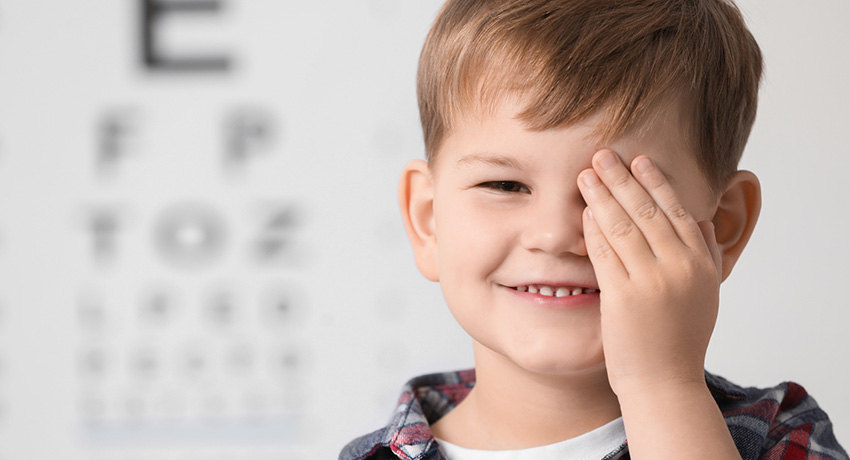
Children may be struggling to see and have no idea. If their “normal” vision has always been blurry, they adapt and don’t even know. From squinting in class to trouble focusing on homework, early signs can be easy to miss. Getting an early start can make a difference in children’s eye health.
Scheduling the first eye exam
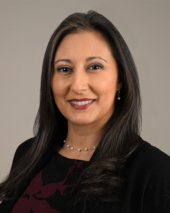
Many parents wait until a child struggles in school or fails a screening before scheduling an eye exam, but experts recommend starting sooner. The first comprehensive eye exam should happen around age 4, followed by yearly exams, said Stephanie S. Handal, OD, an optometrist at Robert Cizik Eye Clinic – Texas Medical Center, who treats both pediatric and adult patients.
“Annual eye exams will always be my recommendation for healthy patients, especially kids,” Handal said. “So much can change in a year.”
For children who already wear glasses, visits help ensure the prescription is still correct. For those who don’t, exams confirm the eyes are healthy and developing as they should.
Catching eye problems in children
Blurry vision is one of the most common issues and is often easily corrected with glasses. Parents can watch for squinting, frequent eye rubbing, and complaints of burning eyes, headaches, or tiredness. A child who seems disengaged or unusually quiet may also be struggling more than they can explain.
“Children can’t fully participate in school, sports, or everyday life if they can’t see what’s around them,” Handal said. “We sometimes diagnose very strong prescriptions, and before that, these kids are walking around like nothing’s wrong. They just don’t know any different.”
Ages 6 to 8 can be a turning point. Children begin doing more reading, homework, and note-taking, so vision problems become more noticeable. It’s also when many formal screenings take place.
Increasing nearsightedness
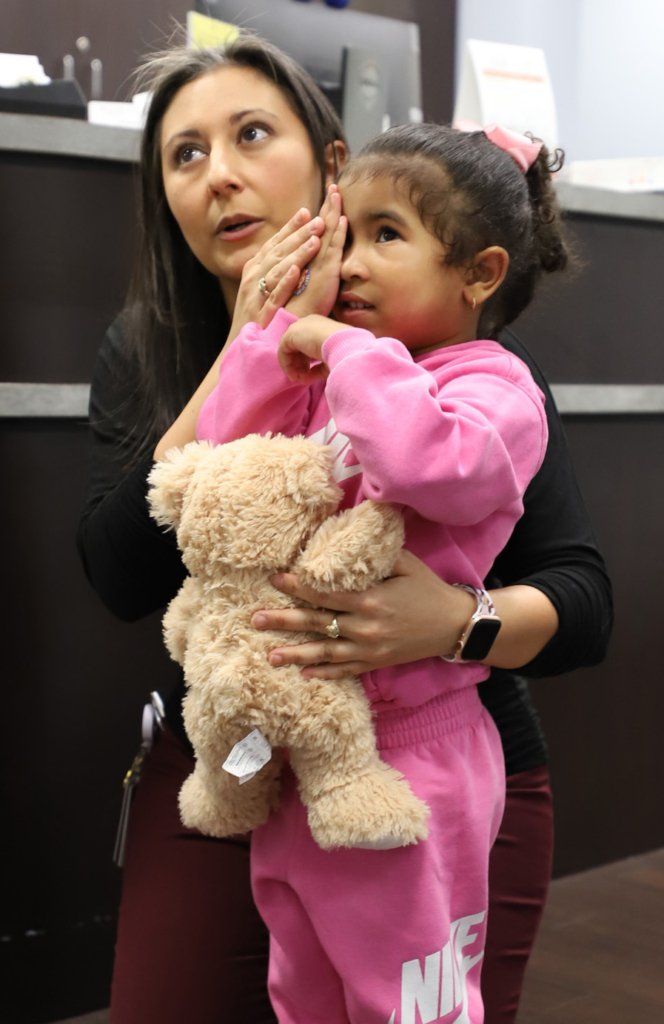
“School-age myopia” is another condition that can develop during this time. It’s a significant increase in nearsightedness linked to prolonged close-up work.
“The eyes enter a feedback loop, where more time spent looking at things up close can worsen nearsightedness over time,” Handal said.
Myopia is increasing in the United States and worldwide. By 2050, about half of the global population is expected to be myopic, up from about 34% in 2020.
Don’t stop at screenings
Many children seen for vision issues are first flagged by a school or pediatrician’s screening. While these screenings are valuable, Handal said nothing replaces a comprehensive eye exam from an optometrist or ophthalmologist. She strongly recommends adding dilation for a more complete picture.
Vision issues can affect more than school performance. Handal recalled a pediatric patient who was quiet, withdrawn, and struggling academically, with no friends. The teacher had never heard him speak. After an exam revealed severe vision problems, glasses made an immediate difference. His father later shared a note from the teacher describing a “whole new child”—confident, talkative, and engaged. He began playing sports and making friends, all because he could see clearly.
Playing outside for healthy eyes
Outdoor play is one of the best ways to support children’s eye health.
“There are lots of theories as to why outdoor play slows myopia progression. We don’t fully understand it, but we know it helps,” Handal said. “Getting kids to play Little League, tennis, catch, organized sports, or just outdoor playtime are all beneficial.”
Parents are encouraged to prioritize regular eye care, even when nothing seems wrong. A comprehensive exam establishes a baseline and can catch issues early, when they’re easiest to treat.