


Each year along the Gulf Coast, hurricane season arrives with a familiar mix of uncertainty and urgency. For many in the Houston area, preparing for hurricane season is part of their annual routine. Whether you’re new to the region or a longtime resident, a little preparation now can go a long way in the months ahead.
Forecasters expect a less active hurricane season this year, with strong El Niño conditions playing a key role in the outlook, according to Scott Patlovich, DrPH, assistant vice president of environmental health and safety at UTHealth Houston.
“As always, we take the predictions seriously, but with a grain of salt,” Patlovich said. “It only takes one storm heading on a direct course to Houston to disrupt our area. We always stand ready for the season per normal protocol.”
As part of his role as risk manager at UTHealth Houston, Bryan Evans said “anything and everything” is under consideration as the university anticipates potential risks.

“We do our best to write which perils we could anticipate on campus within our Emergency Management Plan so employees are aware and understand how we plan to respond,” Evans said. That list includes everything from weather, to fire, to water leaks, to utility interruptions to cyberattacks.
A more unusual and extreme scenario occurred about 12 years ago when a high rate of animals began escaping their enclosures at zoos around the country. Evans said the team had to think how they would react to an elephant or tiger running down Fannin Street.
“Thankfully, nothing like that has ever happened, but we do have to think ‘outside the box,’” he said.
Expanded weather services
Last year, UTHealth Houston expanded the weather services we monitor—adding a Texas-based platform alongside the National Weather Service—to help guide decisions for the university campus. Patlovich said this is now used across all the UT System institutions, providing weather updates, alerts, and predictions for our specific locations in the Texas Medical Center (TMC) as well as UT Physicians clinic locations across the region.
Rice University is developing a new system to replace the Rice/TMC Flood Alert System, which UTHealth Houston and other institutions in the medical center area relied on for many years to predict flooding conditions in and around TMC. Patlovich said they are watching it closely as new and improved features are added to the new system.
Build an emergency supply kit
An essential aspect of hurricane season prep is gathering items for a well-stocked, emergency supply kit. It should include:
- One gallon of water per person per day
- Nonperishable food items
- Manual can opener
- First aid supplies
- Prescription medications in their original containers
- Flashlights and extra batteries
- Battery-powered or hand-cranked weather radio
- Sleeping bags or extra blankets
- Baby formula or baby food and diapers
- Pet food, supplies, and medications
- Face masks, disinfectants, and hand sanitizer
- Wet cleaning cloths (like baby wipes)
- Personal hygiene items and feminine products
- Supplies to make drinking water safe (like iodine tablets or chlorine bleach)
Take extra steps now for home and tech
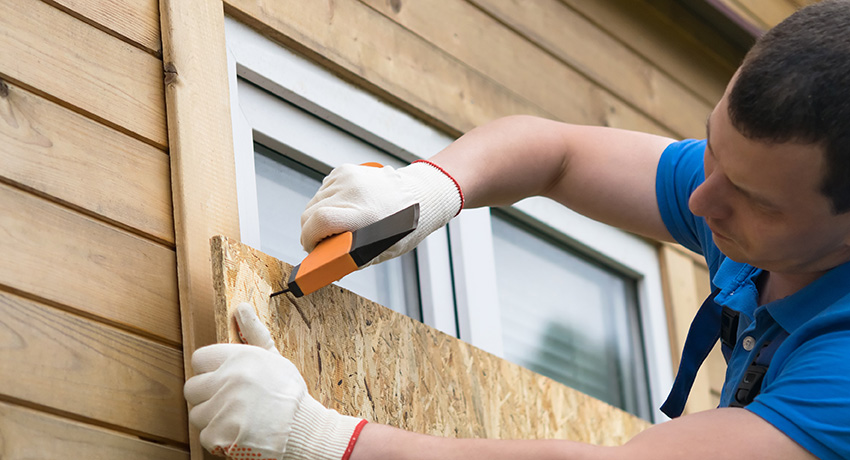
Protecting your home from a storm involves more than securing windows with plywood. Take time now to get technology, home, and property prepared and secure:
- Secure outdoor furniture, trash cans, and decorations
- Clean gutters to prevent water damage
- Cut back trees and remove dead branches that could fall during a storm
- Cover windows with storm shutters or pre-cut plywood, if a storm is approaching
- Fill your gas tank early
- Fully charge all devices before a storm arrives
- Keep portable power banks and car chargers on hand, especially if the power goes out
- Have backup charging devices for cell phones and electronics
Plan your evacuation
Plan evacuation routes in advance, with special considerations for those requiring assistance. Print out any necessary maps and navigation to avoid relying on digital communication. The 2026 Zone Map and 2026 Hurricane Evacuation Route Map are essential planning tools.
Follow important resources
Stay informed with these recommended resources before, during, and after a storm.
- National Hurricane Center
- Hurricane Preparedness and Evacuation Planning (Houston-Galveston Area Council)
- National Weather Service
- Houston TranStar
- METRO
Early preparation matters. Knowing your evacuation plan, having an emergency kit ready, and securing important documents can help protect your family and home when a hurricane approaches.